How to Reduce the Risk of Bone Infection From Pressure Sores

Table of Contents
Why Deep or Longstanding Pressure Sores Raise the Risk of Bone Infection
What Osteomyelitis Is and Why Prevention Cannot Be Guaranteed
Pressure Ulcer Offloading and Shear Management: The Foundation of Prevention
Pressure Sore Wound Assessment: What Your Team Should Be Checking
Pressure Ulcer Infection Symptoms: Local, Urgent and Emergency Signs
WHEN SHOULD YOU WORRY ABOUT BONE INFECTION?
Diagnosing Osteomyelitis in Chronic Wounds: Why It Is Not Straightforward
Nutrition, Moisture and Skin Care: Supporting Factors, Not Substitutes for Offloading
Conclusion: Reducing Risk Is a Team Effort
Frequently Asked Questions
Last Updated: October 16, 2026
I'm Not a Doctor, I'm a Patient
Why Deep or Longstanding Pressure Sores Raise the Risk of Bone Infection
I'm not a doctor. I'm the patient. This article combines published information with lessons from my own experience of living with serious pressure sores. It is intended to help you understand the subject and ask better questions of your healthcare team, not replace professional medical advice.
Learning how to prevent bone infection from bed sores starts with understanding why deep or long-standing wounds carry more risk in the first place. A pressure sore that stays open for months, or one that reaches down through muscle towards bone, gives bacteria far more opportunity to reach structures that sit close to the surface. In areas like the sacrum, the heel or the ischial tuberosity, there may be very little tissue between the wound base and the bone itself. That anatomy is why depth and duration matter so much.
This guide from Pressure Sore Recovery looks at the practical steps that reduce avoidable risk: pressure and shear management, regular wound assessment, good wound care, nutrition, moisture control, and knowing when to push for clinical review.
Watch Out A pressure sore that keeps deteriorating despite good care needs professional review. Delay is the risk factor you can actually control.
What Osteomyelitis Is and Why Prevention Cannot Be Guaranteed
Osteomyelitis is an infection of bone. In the context of pressure sores, it is a complication that clinicians consider when a wound is deep, long-standing, or repeatedly deteriorating.
No prevention strategy can guarantee that bone infection will never happen. What you can do is reduce the avoidable risks and make sure deterioration is picked up early. That is the honest position, and it is the one I wish someone had explained to me at the start.
Pressure Ulcer Offloading and Shear Management: The Foundation of Prevention
Pressure ulcer offloading and shear management is the foundation of prevention because no dressing, supplement or cream can compensate for continued pressure or shear.
This is the part most people get wrong. They focus on what goes on the wound and forget what is happening under the body. If tissue is still being compressed or dragged, the wound has little chance to progress.
Key elements of offloading and shear management:
Repositioning schedules tailored to you, your skin and your equipment
The right support surface for your body, not a generic mattress
Transfer techniques that reduce dragging and friction
Regular skin checks at pressure points, including heels and the sacrum
Specialist seating if you use a wheelchair, reviewed as your body changes
What most guides miss is that offloading is not a fixed rulebook. A schedule that suits one person may be wrong for another. Your wound-care team should set this with you, and review it as the wound changes.
Pressure Sore Wound Assessment: What Your Team Should Be Checking
Pressure sore wound assessment should be regular, consistent and recorded, so that any change is spotted early rather than noticed weeks later.
In practice, this means your team should be checking:
Size and depth of the wound, measured the same way each time
Wound bed appearance, including any change in colour or tissue type
Exposed structures, such as bone, tendon or joint
Drainage, including amount, colour and odour
Surrounding skin, looking for redness, warmth, swelling or tracking
Pain, especially if it is increasing or changing in character
I learned the hard way that photographs and consistent measurements matter. If each appointment starts from scratch, subtle deterioration gets missed. Ask what is being recorded, and ask to see the trend.
Pressure Ulcer Infection Symptoms: Local, Urgent and Emergency Signs
Pressure ulcer infection symptoms fall into three broad tiers, and knowing which tier you are in decides how fast you need to act.
Local warning signs (raise with your wound-care team):
Increased pain at the wound
New or stronger odour
Change in drainage colour or amount
Wound that stops progressing or starts to enlarge
Urgent assessment signs (contact your GP, district nurse or wound-care team promptly):
Spreading redness around the wound
Increasing wound size or depth
Feeling generally unwell
New fever or chills
Emergency symptoms (seek urgent medical help):
High fever with confusion or drowsiness
Rapid heartbeat or breathing
Severe, worsening pain
Skin changes spreading quickly

(Source: [information on osteomyelitis from the NHS](https://www.nhs.uk/conditions/osteomyelitis/))
Never start antibiotics on your own, and never assume a wound is fine because it looks unchanged on the surface.
WHEN SHOULD YOU WORRY ABOUT BONE INFECTION?
Worry is not the same as diagnosis, so let me be precise. Increasing wound depth, recurrent deterioration, exposed bone, or a wound that simply will not heal may prompt your team to investigate for bone involvement. None of those findings prove osteomyelitis on their own.
What they do mean is that the question deserves to be asked. In my own experience, the moment I started asking "could this be bone?" changed how seriously the wound was reviewed. That is not a diagnosis. It is a prompt for proper assessment.
If you are worried, say so plainly. Ask directly: "Could this be bone infection, and how would we know?" That is a fair question, and a good team will answer it.
Diagnosing Osteomyelitis in Chronic Wounds: Why It Is Not Straightforward
Diagnosing osteomyelitis in chronic wounds is not straightforward, because no single test reliably confirms or rules it out on its own.
Wound appearance alone cannot establish bone infection. A swab from the wound surface tells you about what is growing at the surface, not inside the bone. MRI is useful but can be affected by other changes in and around a chronic wound, so results need careful interpretation by the clinical team.
Where bone infection is genuinely suspected, a bone biopsy may be considered when it is clinically appropriate. That decision belongs with the specialist team, and it should be based on your full picture, not one test result. Preparation, investigations and protocols vary between centres, wounds and patients, so what happens in one hospital may differ from another.
This is where I would push back on anyone offering a simple answer. There isn't one. Suspected bone involvement needs specialist assessment, and that is not something to manage alone.
Nutrition, Moisture and Skin Care: Supporting Factors, Not Substitutes for Offloading
Nutrition, moisture management and skin care support healing, but they are not substitutes for offloading. This distinction matters more than almost anything else .
Nutrition: Energy, protein, hydration and overall nutritional status all play a role in tissue repair. That does not mean supplements are universally necessary. A nutrient's biological role is not the same as evidence that supplementing it improves healing. If you are concerned about your intake, ask for a dietitian review rather than self-prescribing.
Moisture management: Too much moisture macerates the skin and breaks down the barrier. Too little leaves it dry and fragile. Incontinence management and gentle cleansing matter here.
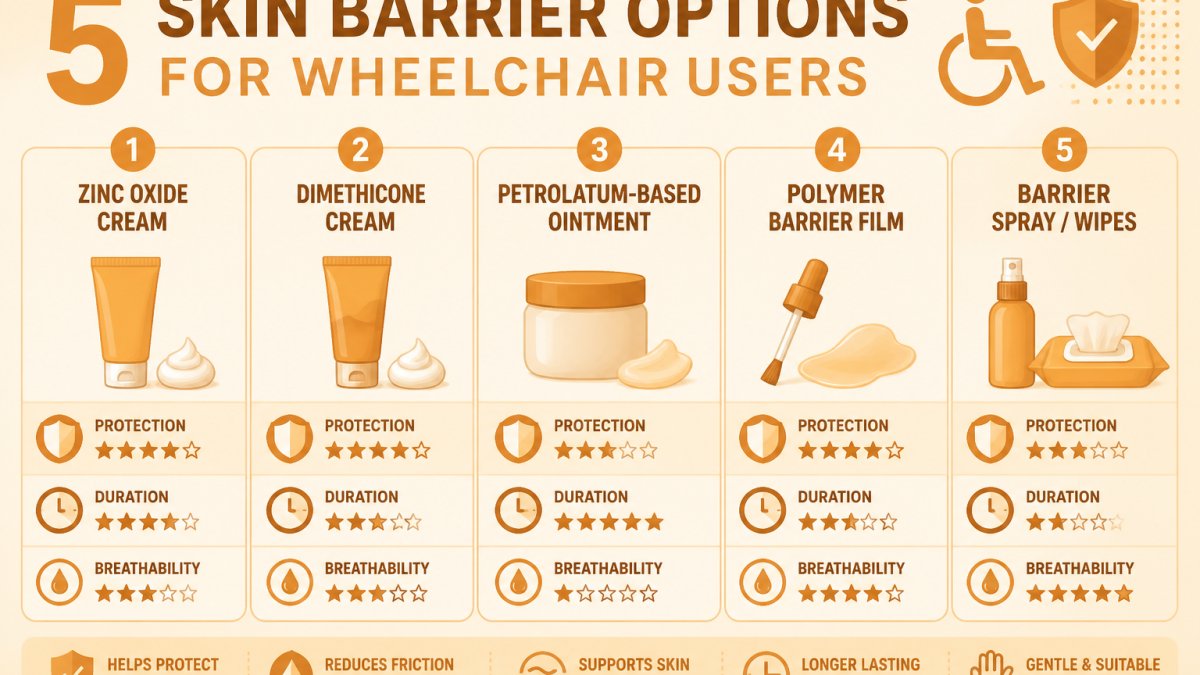
Skin care: Check pressure points daily, keep skin clean and dry, and avoid harsh products.
None of this replaces pressure redistribution and shear management. If pressure and shear continue, no amount of good nutrition will fix the wound.
Pro Tip Keep a simple daily log: what the wound looks like, what it smells like, how it drains, and how it feels. Patterns show up in writing that you miss in memory.
If you want a structured walk-through of the questions worth asking, the 24-chapter guide [BUY THE PDF - £9.99] covers infection, osteomyelitis, nutrition and pressure management in plain language.
Conclusion: Reducing Risk Is a Team Effort
Reducing the risk of bone infection from a pressure sore is not something you can do alone, and it is not something a single product can do for you.
What you can do is stay informed, keep pressure and shear management central, insist on consistent wound assessment, and speak up early when something changes. You are an important member of your own wound-care team, and your observations carry real weight.
If you want practical, patient-led guidance drawn from almost six years of living with serious pressure sores, Pressure Sore Recovery: What Nobody Told Me is a 24-chapter PDF written for exactly this situation. [BUY THE PDF - £9.99]
Frequently Asked Questions
Can a pressure sore cause a bone infection?
Yes, it is possible. Deep or longstanding pressure ulcers, particularly those that reach muscle or bone, are associated with a raised risk of osteomyelitis. The risk is higher when a wound is slow to heal, keeps deteriorating, or has repeated infections. However, having a pressure sore does not mean bone infection will develop. Reducing avoidable risks such as unrelieved pressure and shear, poor wound care and delayed clinical review can help lower that risk. Any suspicion of bone involvement needs specialist assessment.
Does exposed bone mean a pressure sore is infected?
No. Exposed bone in a pressure ulcer is a serious finding that should prompt urgent specialist assessment, but it does not automatically mean osteomyelitis is present. Exposed bone may be seen in deep wounds without bone infection. Equally, bone infection can be present without exposed bone. This is why wound appearance alone cannot confirm or rule out osteomyelitis. If you or a carer can see bone in a wound, contact your wound-care team or GP the same day.
Can a wound swab diagnose osteomyelitis?
A wound swab can identify bacteria on the wound surface, but it cannot reliably diagnose bone infection. Swabs may grow organisms that are colonising the wound rather than causing deep infection, and they do not reach the bone itself. Diagnosing osteomyelitis in chronic wounds usually involves a combination of clinical assessment, imaging such as MRI, blood tests and sometimes a bone biopsy. Diagnosis and treatment belong with specialist teams, so ask your clinician what investigations are appropriate for your situation.
How can you reduce the risk of osteomyelitis from a pressure sore?
Focus on the factors you and your care team can influence: consistent pressure ulcer offloading and shear management, regular pressure sore wound assessment, appropriate wound care, good nutrition with enough energy and protein, moisture management to protect skin, and acting quickly if the wound changes or you feel unwell. Recognising pressure ulcer infection symptoms early and getting timely clinical review matters. Prevention cannot be guaranteed, but reducing avoidable risks gives your wound the best chance. Ask your team what specific steps apply to your situation.
A pressure sore that keeps deteriorating is a challenge no one should face without support. At Pressure Sore Recovery, we built our 24-chapter guide around the questions patients actually ask: how to read a changing wound, how to talk to your team about infection and bone involvement, and how to keep pressure and shear management at the centre of your care. Get started with Pressure Sore Recovery and walk into your next appointment better prepared.
BUY THE PDF – £9.99
Comments