Why Won't My Pressure Sore Heal? Common Reasons

Stuck with a sore that won't heal?
Practical, patient-led guidance to help you ask better questions and work with your care team.
Table of Contents
Last Updated: November 22, 2026
I'm Not a Doctor. I'm the Patient: Why Pressure Sores Can Stall
Why won't my pressure sore heal? If you have asked yourself that question, you are not alone. I'm not a doctor. I'm the patient.
Pressure Sore Recovery exists to help people like us become better informed. I have lived with serious pressure sores for almost six years.
A pressure sore, also called a pressure ulcer or pressure injury, is damage to skin and tissue caused by sustained pressure or shear.
What I wish I had understood earlier is that healing depends on individual circumstances. Wound severity and depth, location, infection, circulation, nutrition and underlying conditions all play a part.
Pressure and Shear: The Factor Most Likely to Stop Healing
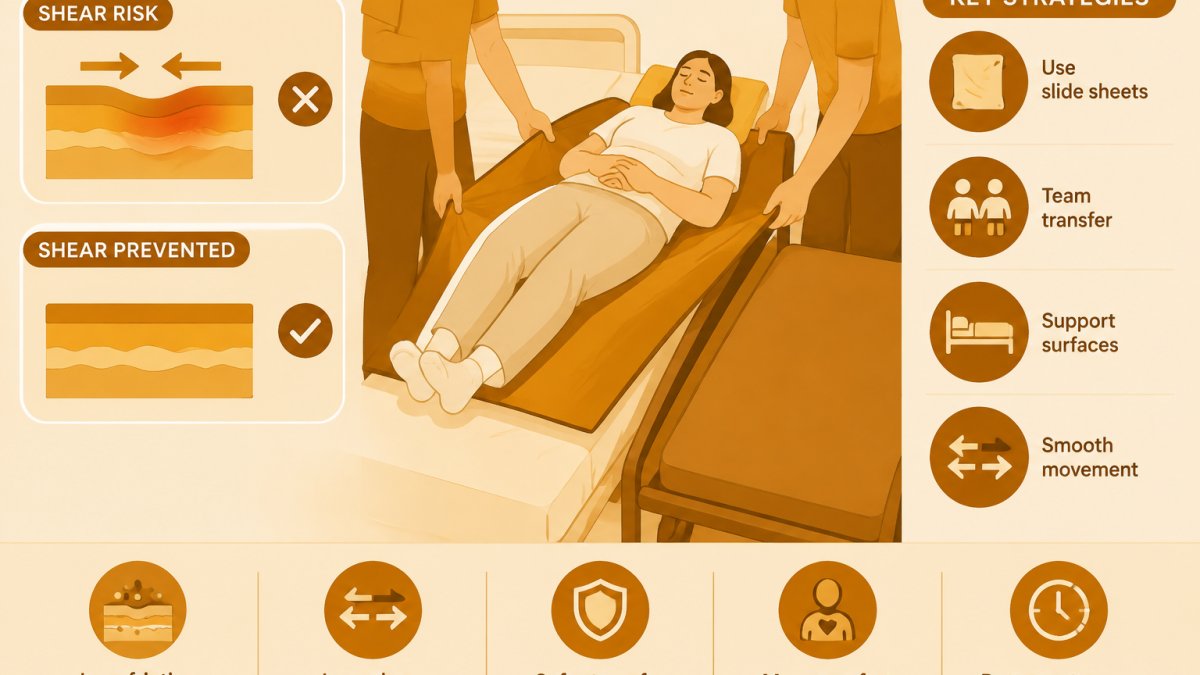
If a sore is not improving, continued pressure or shear is one of the first things a wound-care team will look at. Shear happens when skin stays in place while the bone beneath it moves, stretching and damaging tissue. Pressure and shear together are a common reason sores fail to close.
Dressings, nutrition and supplements can support healing, but they cannot compensate for ongoing pressure.
Pressure redistribution and offloading in everyday life
Offloading means taking weight off the affected area. Questions I would ask now include:
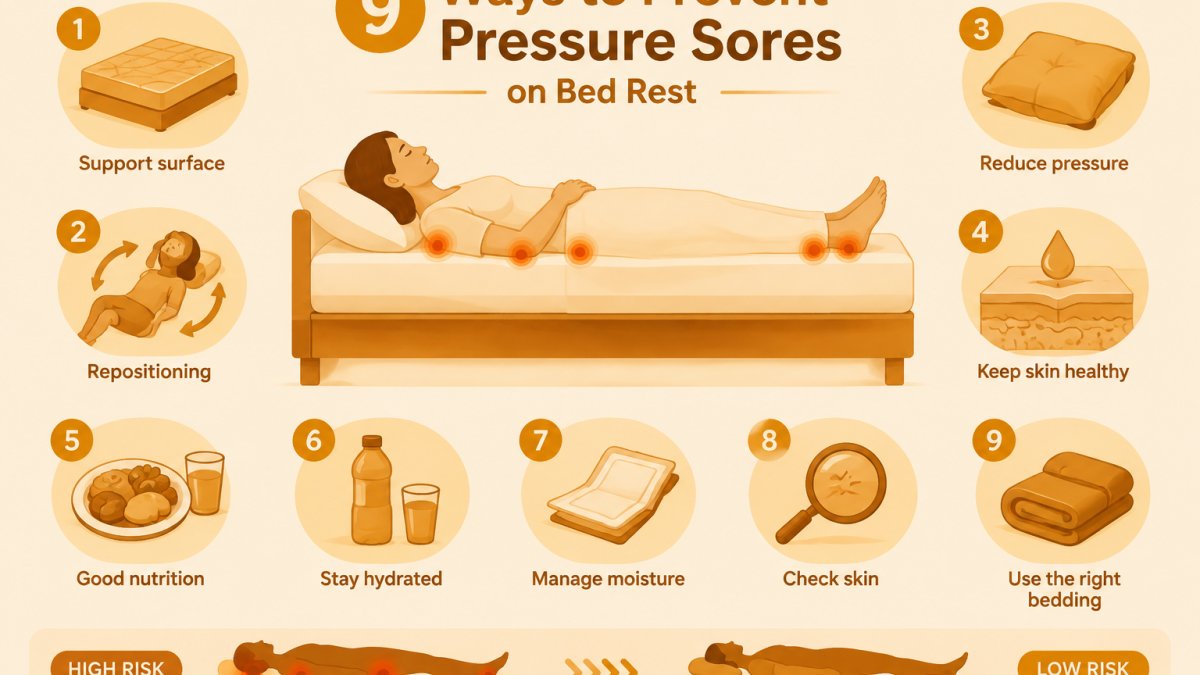
How often am I repositioned, and who checks this?
Is my mattress or seat cushion a suitable support surface?
Do I slide down in bed or in my chair, creating shear?
Am I sitting for longer periods than my team has advised?
Your wound-care team can assess your setup and suggest changes. Be honest with them about how you actually spend your day.
Factors That Can Hinder Wound Healing
Several factors can slow healing. None of them, on its own, proves why a particular sore is not closing, and your team needs to assess your situation individually. What I wish I had understood earlier is that these factors tend to overlap, and a sore often stalls because two or three are working against it at once rather than because of one obvious cause.

Here is how I now think through each one, and the questions I would take to a wound-care team.
Ongoing pressure and shear
This is the factor I would check first. Pressure and shear reduce blood flow to the tissue and repeatedly re-injure it, so a dressing, supplement or nutrition plan cannot compensate for a sore that is still being loaded. In my experience, this is the obstacle most easily missed because it happens quietly in bed or in a chair.
How often am I repositioned, and who checks that it actually happens?
Is my mattress or seat cushion a suitable support surface for my risk level?
Do I slide down in bed or in my chair, creating shear?
Am I sitting for longer than my team has advised?
Infection
Suspected infection needs professional assessment, not self-treatment (NICE). Signs to report promptly include spreading redness, increasing swelling, warmth, pus or unusual drainage, a bad smell, new pain, or fever and feeling unwell. I am not able to tell you whether a particular sore is infected, and neither can any article. Only a qualified clinician can make that judgement, and suspected infection, deterioration, systemic illness, spreading cellulitis or possible bone involvement needs prompt professional review.
Poor circulation
Reduced blood flow limits the oxygen and nutrients a wound needs to rebuild tissue. Circulation can be affected by vascular disease, diabetes, smoking and reduced mobility. Your team may check pulses, skin colour and temperature, and in some cases arrange further vascular assessment. This is not something to self-diagnose.
Nutrition and hydration
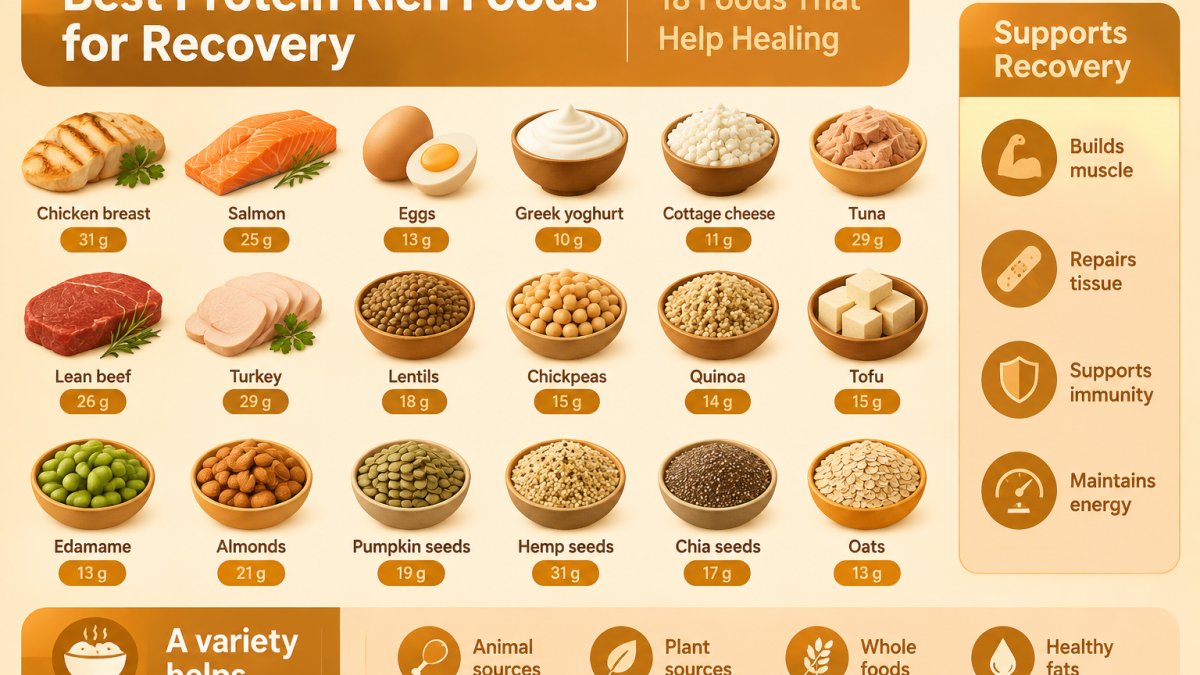
Energy, protein and fluid intake all matter for healing. Nutrition supports healing but does not heal a sore alone, and it cannot compensate for continued pressure or shear. A dietitian can assess your individual needs rather than assuming a particular supplement is right for you. Do not start vitamin, mineral or collagen supplements on the assumption they are universally necessary; ask your team whether any are appropriate for your situation.
Underlying conditions and medicines
Diabetes, kidney disease and other long-term illnesses can affect recovery, and some medicines may influence healing. Never stop or change a prescribed medicine without professional guidance. Ask your team whether any of your conditions or medicines could be contributing.
Wound depth, size and location
Deeper wounds generally take longer and may need specialist review. Location matters too, because some areas are harder to offload than others. Healing depends on wound severity and depth, location, pressure and shear, infection, circulation, nutrition, underlying conditions, individual circumstances and whether surgery is needed. There is no fixed healing time.
A practical checklist for a stalled sore
Watch out: if you notice spreading redness, fever, new or worsening pain, or a sore that is getting deeper, do not wait for a routine appointment, seek professional assessment promptly. (Source: NICE clinical guidelines for pressure ulcer prevention)
Several factors can slow healing, and they often overlap rather than acting alone. The table below summarises each one and the question to take to your wound-care team.
Factor | Why it matters | Question to ask your team |
Ongoing pressure and shear | Reduces blood flow and re-injures tissue | How is repositioning checked? |
Infection | Can stall healing and needs assessment | Which signs should I report straight away? |
Poor circulation | Limits oxygen and nutrients the wound needs | Should my circulation be assessed? |
Nutrition and hydration | Supports healing but cannot compensate for pressure | Could my intake be affecting healing? |
Underlying conditions and medicines | Can affect recovery | Could any of my conditions or medicines contribute? |
Wound depth, size and location | Deeper wounds generally take longer | Does my wound need specialist review? |
Non-Healing Pressure Sore Causes Beyond Pressure
Sometimes a sore stops improving even when pressure is well managed. When that happens, it is worth reviewing the whole picture rather than only the dressing. What nobody told me is that a stalled sore is a signal to look at medicines, health conditions, daily habits and how progress is being tracked, not just at the wound itself.
Medicines and health conditions that can slow healing
Some medicines and long-term conditions can affect healing. Diabetes can affect circulation and increase infection risk, and poor glucose control may slow repair. Vascular problems reduce blood supply. Smoking narrows blood vessels and limits oxygen delivery to tissue. Reduced mobility affects both pressure distribution and circulation.
I am not able to tell you which of these applies to you, and neither can any article. Ask your team whether your medicines, health conditions or daily habits could be contributing. Never stop or change a prescribed medicine without professional guidance.
When to ask for reassessment
A common pattern is that a wound which has not shown meaningful improvement over a period of weeks prompts a review of the care plan. The exact threshold varies by centre, wound and patient, so ask your team what they would expect for your sore and when they would want to reassess. Questions I would ask now:
What improvement would you expect to see, and by when?
At what point would you review the plan or consider specialist input?
Should my medicines or health conditions be reviewed as part of this?
What should I record at home, and how often should I bring it to you?
How to track wound progress at home
Tracking does not replace clinical assessment, but consistent notes can make appointments more useful. Safe things to record, as part of your professional care plan, include:
Wound dimensions, measured the same way each time
Drainage amount, colour and odour
Changes in the surrounding skin, such as redness or swelling
New or worsening pain
How often you were repositioned and any sliding in bed or in your chair
Bring your notes to appointments and ask your team to show you how they would like you to record changes. If you notice rapid deterioration, spreading redness, fever or a bad smell, seek professional assessment promptly rather than waiting for the next routine review.
If you want structured support for managing your care at home, Pressure Sore Recovery offers digital guides and resources designed to help you prepare and keep track of your questions. Our article on how to reduce the risk of bone infection from pressure sores explains when a longstanding or deep sore may need further review.
Pressure Sore Infection Symptoms You Should Never Ignore
Infection is one of the most serious reasons a sore may fail to heal. Signs to report promptly include spreading redness, increasing swelling, warmth, pus or unusual drainage, a bad smell, new pain, or fever and feeling unwell. These symptoms need professional assessment without delay.
I am not able to tell you whether a particular sore is infected. Only a qualified clinician can make that judgement. Do not try to diagnose or treat significant infection yourself.
When a Pressure Sore Could Involve Bone: Understanding Osteomyelitis from Pressure Sores
Osteomyelitis is an infection of the bone. Deep pressure sores, particularly those reaching the bone, can raise the risk of bone involvement. A longstanding sore that is not healing, or one with signs of spreading infection, should be reviewed promptly, because bone infection needs a different treatment approach.
Not every infection leads to osteomyelitis, and having a deep sore does not mean bone infection is present. This is a question for your clinical team, and imaging or further tests may be used to check. Pressure Sore Recovery's article on how to reduce the risk of bone infection from pressure sores explains this in more depth.
Questions to Ask Your Wound-Care Team Next
You are an important member of your own wound-care team. Bringing good questions to appointments helps everyone. Consider asking:
Why is this sore not healing, and what factors do you think are involved?
How are you checking whether pressure and shear are being reduced?
What signs of infection should I report straight away?
Do you think my nutrition or any of my medicines could be affecting healing?
At what point would you review the plan or consider specialist input?
What should I record at home, and how often should I bring it to you?
Our wound care nurse question list gives more prompts you can take into your next visit. Planning ahead can make appointments more useful.
If you want structured support for managing your care at home, Pressure Sore Recovery offers digital guides and resources designed to help you prepare and keep track of your questions.
Frequently Asked Questions
What should I do if my pressure sore won't heal?
Start by telling your wound-care team that the sore has not improved as expected. Ask them to reassess the wound, including its size, depth, the surrounding skin and any signs of infection. Review how you are being offloaded and positioned, because continued pressure or shear is one of the most common reasons a sore stalls. Keep a simple written record of changes, bring it to appointments, and ask what the plan is and how progress will be measured. Healing depends on individual factors, so the right next step will be set by your clinician, not by a fixed timeline.
Can a pressure sore lead to osteomyelitis?
A deep or long-standing pressure sore can raise the risk of infection reaching the underlying bone, which is called osteomyelitis. Raised risk does not mean it has happened or that it will. Warning signs such as spreading redness, persistent or worsening pain, fever, foul-smelling drainage or the wound probing towards bone should prompt urgent professional assessment. Only a clinician can investigate whether bone is involved, and the approach to testing and treatment varies by centre, wound and patient.
How can I tell if a pressure sore is infected?
Possible signs include increasing redness or warmth in the surrounding skin, swelling, new or worsening pain, pus or cloudy drainage, an unpleasant odour, and sometimes a general feeling of being unwell. Some people with reduced sensation may notice fewer symptoms, so changes in appearance matter. Do not try to diagnose or treat significant infection yourself. Contact your wound-care team or GP promptly if you notice these signs, and seek urgent help if you develop fever or feel seriously unwell.
What should I ask my wound-care team about a non-healing pressure sore?
Useful questions include: What stage is the sore and how has its size changed? What is causing it to stall, and what have you ruled out? How am I being offloaded, and can we review my cushion, mattress and positioning? Do you need to check for infection or bone involvement? What would make you consider further investigation or surgical review? When should we reassess? Writing these down before appointments helps you take an active part in your own recovery.
Comments