Best Protein Rich Foods for Recovery: 18 Foods That Help Healing

Last Updated: 16 November 2026
Quick Summary
The best protein rich foods for recovery include eggs, chicken, turkey, fish, Greek yoghurt, cottage cheese, milk, tofu, tempeh, lentils and beans, ranked by protein density and how easy they are to eat when appetite is poor. Protein supports tissue repair, collagen production, immune function and muscle preservation, but it works alongside pressure relief, infection management and professional wound care rather than replacing them.
Two eggs give roughly 12g of protein and are easy to face when appetite is poor.
A 150g pot of Greek yoghurt gives about 15g and needs zero preparation.
Tempeh gives around 19g per 100g, making it the stronger plant option over tofu.
Ask your GP or wound team for a dietitian referral rather than following a blanket protein target.
Keep protein in every meal and snack, not just dinner, to help prevent recurrence.
Which protein foods can you actually face today?
A patient-led guide to protein, nutrition and pressure sore recovery, based on lived experience.
Table of Contents
Best Protein Rich Foods for Recovery: What I Wish I Had Known Earlier
I'm not a doctor. It is intended to help you understand the subject and ask better questions of your healthcare team, not replace professional medical advice. (Source: NHS guidance on nutrition and wound care)
When you're lying in bed with a pressure sore that won't close, everyone tells you to "eat more protein." Nobody tells you what that actually looks like on a hospital tray.
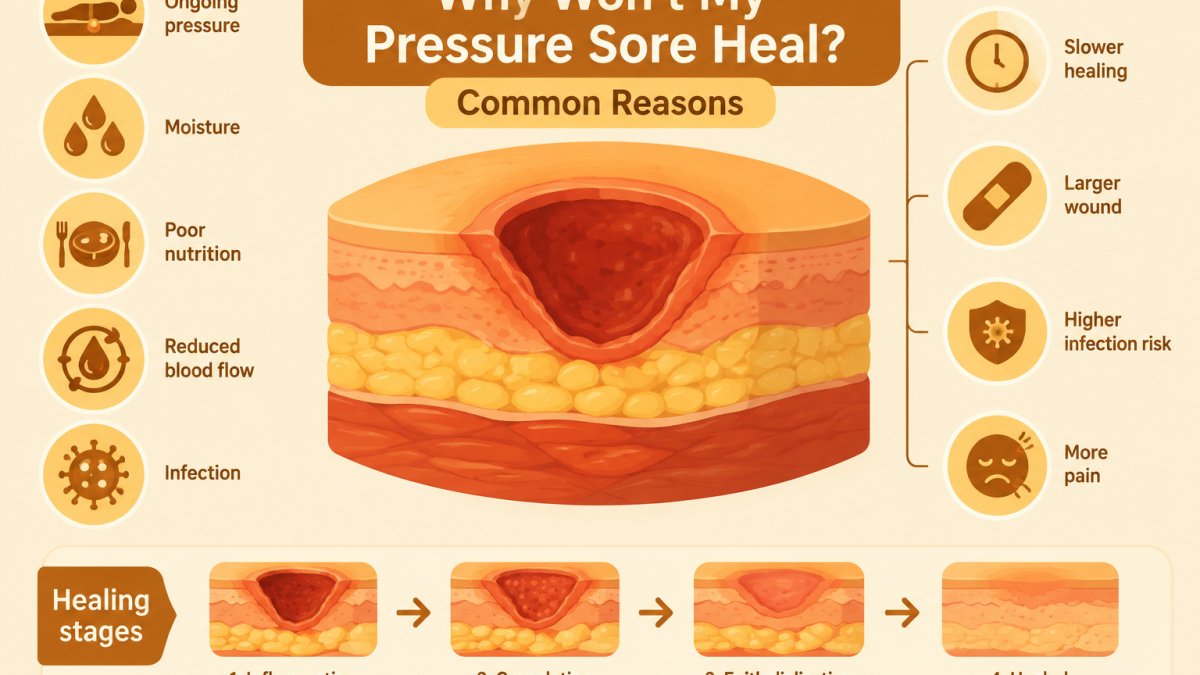
Protein does not heal a pressure sore on its own. But protein supports tissue repair, collagen production, immune function and muscle preservation, and those things matter when your body is trying to rebuild skin.
High-Protein Foods for Wound Healing: A Comparison Table
Here is the short answer: animal foods generally deliver more protein per serving than plant foods, but plant options work well when combined. The table below gives approximate protein per typical serving. Treat these as rough guides, not prescriptions.
Food | Typical Serving | Approx. Protein |
Chicken breast | 100g | 31g |
Turkey | 100g | 29g |
Lean beef | 100g | 26g |
Salmon | 100g | 25g |
Tempeh | 100g | 19g |
Greek yoghurt | 150g | 15g |
Eggs | 2 eggs | 12g |
Protein-fortified yoghurt | 150g | 12g |
Cottage cheese | 100g | 11g |
Lentils (cooked) | 100g | 9g |
Pumpkin seeds | 30g | 9g |
Tofu | 100g | 8g |
Beans (cooked) | 100g | 8g |
Milk | 200ml | 7g |
Peanut butter | 2 tbsp | 7g |
Oats | 40g | 5g |

18 Protein-Rich Foods for Recovery, Ranked by What Works in Practice
I've ranked these by a mix of protein density and how easy they are to eat when appetite is poor.
1. Eggs
Two eggs give you roughly 12g of protein, and they are one of the easiest foods to face when appetite is poor. Scrambled, poached or boiled, they work at any meal. They also carry vitamin D and choline. A common mistake is skipping eggs because of old cholesterol worries; for most people the bigger risk during recovery is not eating enough.
2. Chicken and Turkey
Both are lean, high-protein staples at around 29-31g per 100g. Cold roast chicken in the fridge is one of the most practical recovery foods there is, because it needs no cooking when you're exhausted. Watch out for dry, overcooked poultry, which is hard to swallow when your mouth is sore or your appetite is low.
3. Fish and Seafood
Salmon gives about 25g per 100g and brings anti-inflammatory compounds alongside the protein. Tinned tuna, sardines and mackerel are cheap, shelf-stable and need no preparation. If you're on a ward with limited facilities, a tin of sardines on toast is a genuinely sensible meal.
4. Lean Beef
Lean beef delivers around 26g per 100g, plus iron and zinc, which matter for tissue repair. It is not essential, and it is not for everyone. Minced beef in a bolognese or stew is easier to eat than a steak when you're recovering.
5. Greek Yoghurt
A 150g pot gives roughly 15g, and it needs zero preparation. This is the single food I would push hardest for anyone with a poor appetite. It is thick enough to feel like a meal, and it pairs with fruit, oats or honey. Check the label: some "Greek-style" products are thickened cream with far less protein.
6. Cottage Cheese
Around 11g per 100g, and it is one of the few high-protein foods that works as a savoury snack with no cooking. On toast, with black pepper, or alongside salad. The texture divides people, so try a small pot before committing.
7. Milk
A 200ml glass gives about 7g, and it is the easiest way to add protein to almost anything: porridge, mashed potato, scrambled eggs, hot drinks. If your appetite is poor, drinking calories is often easier than chewing them.
8. Tofu and Tempeh
Tofu gives roughly 8g per 100g; tempeh gives around 19g and is the stronger option. Both suit anyone cutting back on meat or eating plant-based. Press and marinate tofu or it will taste of nothing, which is why so many people give up on it.
9. Lentils and Beans
Cooked lentils and beans give about 8-9g per 100g, plus fibre and slow-release energy. They are cheap and store well. Combine them with grains, such as lentils with rice or beans on toast, to get a fuller protein profile.
10. Nuts, Seeds and Nut Butters
Two tablespoons of peanut butter gives about 7g, and 30g of pumpkin seeds gives around 9g. These are ideal protein-rich snacks for recovery because they need no cooking and keep well by the bed. Watch out for whole nuts if swallowing is difficult; nut butter is safer.
11. Oats and Wholegrains
A 40g portion of oats gives about 5g on its own, but made with milk it climbs quickly. Oats are gentle on the stomach and easy to eat in the morning when nothing else appeals. Add Greek yoghurt or a spoon of nut butter to push the protein up.
12. Protein-Fortified Foods
Fortified yoghurts, milks and cereals are supermarket staples now, and they are useful when portions are small. A fortified yoghurt can carry around 12g in a 150g pot. Read the label: fortification varies widely between products.
Protein for Wound Healing After Surgery: What Changes
Surgery raises your protein needs, sometimes substantially, because your body is rebuilding tissue on two fronts at once. Your wound team or dietitian should be the one to set your target, not a general article.
What changes in practice:
Appetite often drops after anaesthetic and painkillers, so small frequent portions beat three big meals
Constipation is common after surgery and opioids, so fluids and fibre matter alongside protein
Wounds that leak or drain lose protein, which raises requirements further
Kidney function must be checked before anyone pushes protein higher
This is where individual assessment really earns its place. If you're preparing for flap surgery, ask your team directly what they want your intake to look like before and after. Nutrition for Pressure Ulcer Healing: What I Wish I'd Known Earlier puts protein in context with energy, hydration and overall nutritional status.
Protein-Rich Snacks for Recovery When Appetite Is Poor
When you cannot face a meal, stop trying to force one. Snack-sized portions of high-protein foods are often the difference between eating something and eating nothing.
Practical options that need no cooking:
Greek yoghurt with a spoon of honey
A glass of milk or fortified milk drink
Cottage cheese on a couple of crackers
Peanut butter on toast or rice cakes
A handful of pumpkin seeds and a boiled egg
A small tin of tuna or sardines
Protein-fortified yoghurt pot
A common mistake is drinking tea and water all day and then wondering why you're not hungry. Fluids are essential, but too much liquid right before a meal kills appetite. Drink between meals instead.
Protein Shakes for Wound Healing: Helpful or Overhyped?
Protein shakes are helpful when appetite is poor or chewing is difficult. They are overhyped when they replace real meals you could have eaten.
Where they genuinely help:
You can only manage small volumes
You need extra protein between meals
Chewing or swallowing is difficult
You're losing weight unintentionally
What most guides miss is that many shakes are low in calories and high in marketing. A shake that adds protein but no energy will not stop weight loss.
Collagen supplements deserve a separate word. If you want to explore it, Collagen Supplements for Wound Recovery: What Helps? looks at the evidence honestly. For the wider supplement picture, Top 5 Protein Supplements for Wound Healing: A Patient's Guide covers the main options.
How Much Protein Do You Actually Need, and Why Individual Assessment Matters
There is no universal number, and anyone who gives you one without knowing your body weight, wound severity, kidney function and medical history is guessing.
Protein requirements depend on:
Your body weight
Wound severity, depth and drainage
Kidney and liver function
Whether you've had surgery
Other conditions such as diabetes
Whether you're already losing weight
People with kidney disease, in particular, may need to limit protein, which is exactly why a blanket "eat more protein" instruction is unsafe. That is not a sign of failure; it is how you get a target that actually fits you. Protein Intake for Chronic Wound Repair: A Patient Guide walks through how to prepare for that conversation.
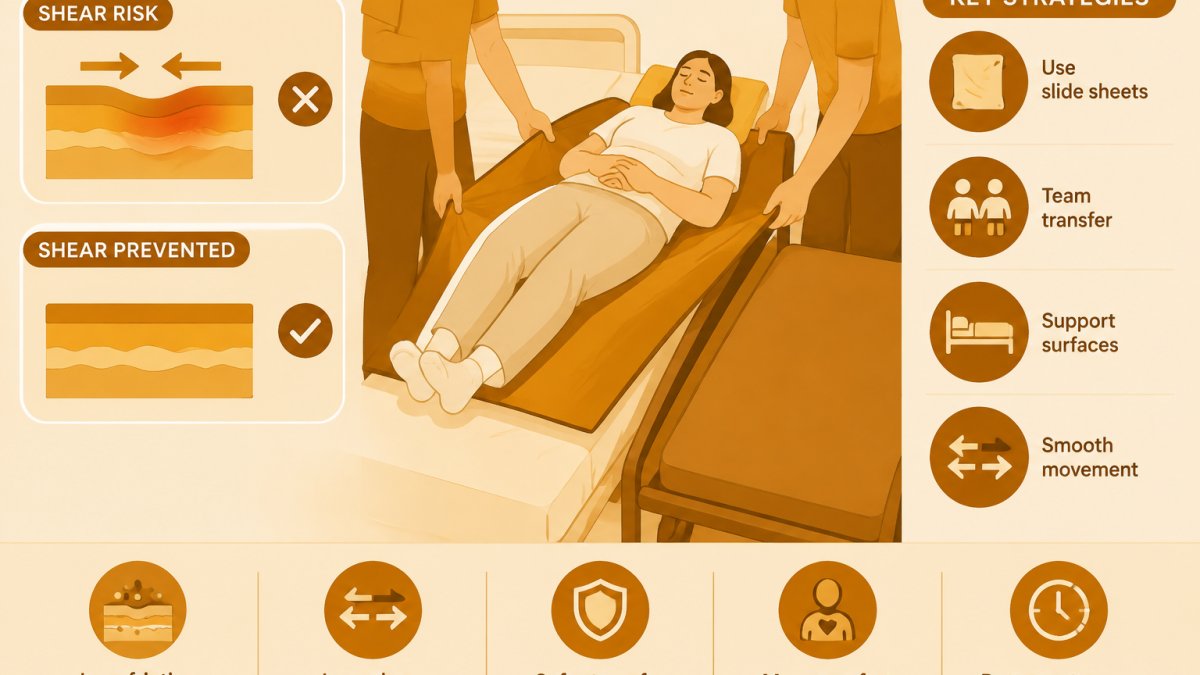
And remember: protein cannot compensate for continued pressure or shear. If you're still sitting or lying on the damaged area, no amount of eggs will close the wound. Offloading comes first, always.
Healed Doesn't Mean Fixed: Preventing Recurrence Through Nutrition and Pressure Relief
Healed Doesn't Mean Fixed. That phrase has stayed with me because it is the thing nobody warns you about.
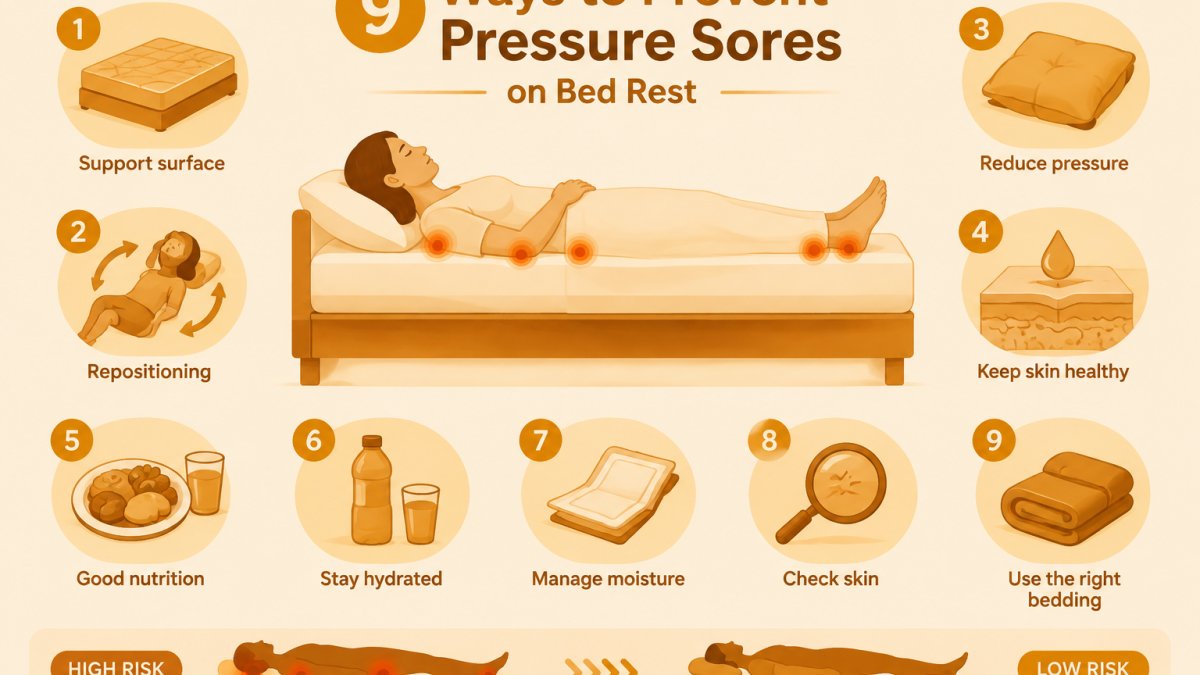
Nutrition is part of prevention, not just healing.
What I would do differently:
Keep a simple food diary during recovery so you can spot weight loss early
Ask for a dietitian review before discharge, not after a setback
Build protein into every meal and snack, not just dinner
Keep checking skin over bony areas daily, as part of your care plan
Why Healed Doesn't Mean Fixed After a Pressure Sore goes deeper into protecting vulnerable tissue long term.
Recovering from a pressure sore is exhausting, and the nutrition advice you get is often vague.
Frequently Asked Questions
What is the best source of protein for recovery?
There is no single best source. Eggs, poultry, fish, dairy, soy foods, beans and lentils all provide protein for tissue repair and muscle preservation. What matters most is total daily intake, variety across the day, and whether you can actually eat enough given your appetite, mobility and any dietary restrictions. A dietitian can help you build a plan around foods you tolerate and enjoy, especially if you have kidney disease or other conditions that affect protein needs.
How can I get enough protein when I have a poor appetite?
Small, frequent servings work better than three large meals. Try Greek yoghurt with nut butter, cottage cheese on toast, a boiled egg as a snack, or a milk-based drink between meals. Protein-fortified yoghurts and milks add protein without extra volume. If chewing is tiring, soft options like scrambled eggs, mashed beans or a smoothie with milk and peanut butter are easier. Ask your GP or dietitian about oral nutritional supplements if food alone is not enough.
Are collagen supplements a substitute for dietary protein?
No. Collagen supplements are not a complete replacement for dietary protein because they lack the full range of essential amino acids your body needs for tissue repair, immune function and muscle preservation. Some small studies suggest collagen peptides may support skin and wound healing, but the evidence is limited and mixed. Food sources like eggs, fish, dairy, soy and legumes provide complete protein and should form the base of your intake. Discuss any supplement with your wound-care team.
Can protein-rich foods help with pressure sore recovery?
Protein supports tissue repair and helps preserve muscle, but it cannot compensate for continued pressure or shear. Nutrition works alongside pressure redistribution, infection management and professional wound care. Requirements depend on body weight, wound severity, kidney function and clinical circumstances, so a dietitian should assess your individual needs. Do not increase protein dramatically without advice, particularly if you have kidney disease. The best approach combines good nutrition with consistent offloading and regular wound review.
Comments