Are Air Mattress Overlays Worth It for Bedridden Patients? A Patient's Guide

Last Updated: October 23, 2026
Quick Summary
An air mattress overlay can be worth it for bedridden patients, but only as part of a proper pressure-management plan. It sits on top of your existing mattress to redistribute pressure, yet no overlay removes the need for repositioning and regular skin checks. Selection should follow a clinical assessment of your risk, wounds and bed setup.
An overlay sits on your existing bed, while a replacement mattress swaps out the whole mattress.
Alternating pressure overlays cycle air cells, but still do not replace manual repositioning.
Static overlays are quiet and simple, though may not suit existing pressure ulcers.
Ask for a trial period and a backup plan in case the pump fails overnight.
In the UK, pressure-relieving equipment is usually provided through an NHS assessment.
Table of Contents
What an Air Mattress Overlay Is and How It Differs from a Replacement Mattress
An air mattress overlay is a pressure-redistributing layer that sits on top of an existing mattress, rather than replacing it. It is thinner, lighter and usually cheaper than a full replacement system. This guide explains whether an air mattress overlay is worth it for bedridden patients, and where it falls short.
I'm not a doctor. I'm the patient. This article combines published information with lessons from my own experience of living with serious pressure sores. It is intended to help you understand the subject and ask better questions of your healthcare team, not replace professional medical advice.
The short answer: an overlay can help, but only as part of a proper pressure-management plan. No mattress, overlay or otherwise, removes the need for repositioning and regular skin checks.
Overlay: sits on your existing bed. Cheaper, portable, quicker to fit.
Replacement mattress: swaps out the whole mattress. Usually a higher spec, needs the right bed frame.
Both: redistribute pressure. Neither manages shear on its own.
Pressure redistribution and shear management sit at the centre of all of this. If pressure and shear are not addressed, no surface will protect your skin.
Air Mattress Overlay vs Replacement Mattress: Which Fits Your Bed and Your Risk?
Which one fits depends on your clinical assessment, your bed, and your level of risk. An overlay suits some situations well. A replacement mattress suits others. The choice is not about price alone.
An overlay is quicker to set up and easier to store. It works with most standard bed frames. A replacement mattress usually offers more consistent pressure relief, but it needs a compatible frame and proper installation.

Here is the honest trade-off:
Overlays add height to the bed, which can raise fall risk for some people.
Replacement mattresses cost more and are harder to move.
Neither is automatically better. A high price does not guarantee a better outcome.
Alternating Pressure Mattress Overlay: How It Works and Who It Suits
An alternating pressure mattress overlay uses air cells that inflate and deflate in cycles. This shifts the points of highest pressure over time. It can help where a person cannot reposition often enough on their own.
It suits people at higher risk, or those who spend long periods in bed. It is not a substitute for manual repositioning. The pump needs a power supply, and some people find the cycling noticeable at first.
Needs a working power supply and a backup plan for outages.
The pump can make some noise.
Correct installation matters: tubes and cells must sit as the manufacturer states.
Static Air Mattress Overlay: Quiet, Simple, but Not for Everyone
A static air mattress overlay holds a fixed level of air. There is no pump cycling, so it is quiet and simple. It can suit people at lower risk, or those who find alternating systems uncomfortable.
Static systems do less to vary pressure over time. For someone with an existing pressure ulcer, a static overlay may not be enough on its own. That is a clinical judgement, not something to decide from a product page.
What most guides miss is this: comfort is not the same as protection. A surface that feels soft can still leave pressure building in one spot.
Watch Out Never assume a new overlay means you can stop repositioning. If you rely on the surface alone, pressure and shear can still damage skin, often over the heels, sacrum or hips.
Overlay or Replacement Mattress: Which Is More Appropriate?
Selection depends on clinical assessment, wound location, pressure risk, mobility and your existing bed setup. There is no single right answer for everyone.
A wound-care professional will weigh:
Where your pressure damage is, and how deep it is.
Your mobility and how often you can reposition.
Your overall risk level.
Whether your current bed can take the equipment safely.
An overlay is often a reasonable step when risk is moderate and the bed is suitable. A replacement mattress may be more appropriate when risk is higher or an existing ulcer needs more consistent relief. Either way, the surface supports your plan. It does not replace it.
If you are on long periods of bed rest, our article on bed rest is worth reading alongside this one. The same applies to understanding pressure and shear, and to preventing recurrence.
If you want to understand the questions to ask and the lessons I wish I had known earlier, the 24-chapter guide Pressure Sore Recovery: What Nobody Told Me covers this in plain English. BUY THE PDF - £9.99.
NHS Pressure-Relieving Mattress Assessment: What to Expect
In the UK, pressure-relieving equipment is usually provided through an NHS assessment rather than bought blind. A nurse or specialist will assess your risk, your skin and your bed before recommending a surface.
The assessment typically looks at your mobility, your wound, your nutrition and your home setup. Provision and equipment vary by area and by individual need. Ask your district nurse or wound-care team what is available where you live.
According to NICE guidance on pressure ulcers, risk assessment and appropriate pressure-redistributing surfaces are part of standard care. The NHS pressure ulcer information also sets out when to seek help.
Pro Tip Ask for a trial period and a backup arrangement before you commit. Equipment can fail, and a plan for what happens if the pump stops overnight matters more than the spec sheet.
What I Would Ask Before Buying or Renting One
Before buying or renting, get answers in writing. Here is the checklist I would use now:
Has a clinician assessed my risk and confirmed this surface is suitable?
Does it fit my bed frame safely, and does the added height raise my fall risk?
Can I trial it before committing?
Who services it, and how often?
What is the backup plan if the pump fails or the power goes out?
Is it available through NHS provision in my area?
Does the plan still include repositioning and skin checks?
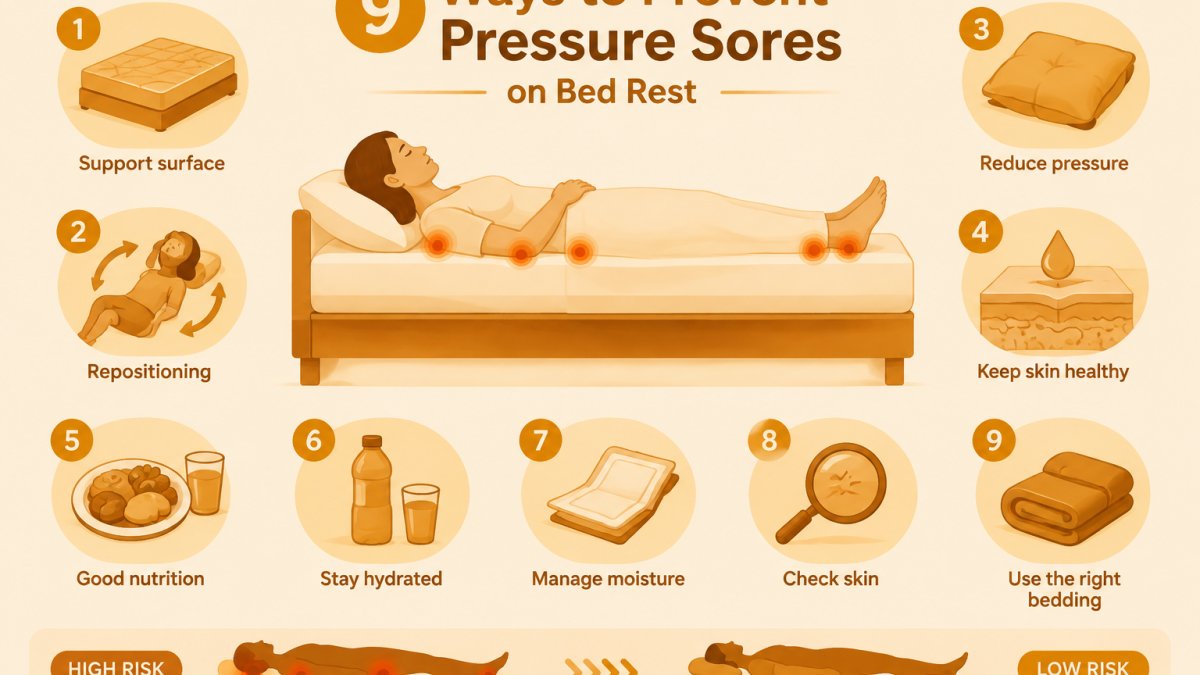
That last point is the one people skip. A surface is one part of pressure management. Positioning, shear control and regular checks are the rest.
Conclusion
Choosing a pressure-relieving surface is not a simple purchase. It needs a proper assessment, an honest look at your risk, and a plan that keeps repositioning and skin checks in place. An air mattress overlay can be worth it, but only when it fits your clinical needs and your bed.
Our patient-led guide helps you ask better questions and understand what nobody explained to me at the start. Get started and take a more active part in your own recovery.
Frequently Asked Questions
Can an air mattress overlay help prevent pressure sores?
An air mattress overlay can help redistribute pressure, but it is only one part of prevention. NICE guidance is clear that pressure ulcers are prevented through a combined plan: risk assessment, regular repositioning, skin checks, shear management and the right support surface for your level of risk. An overlay that is set up incorrectly, over-inflated or used on the wrong bed frame can do very little. If you already have a pressure ulcer, or your risk is high, ask your district nurse or tissue viability team whether an overlay is enough or whether a full replacement mattress is more appropriate.
Can you use an air mattress overlay if you already have a pressure ulcer?
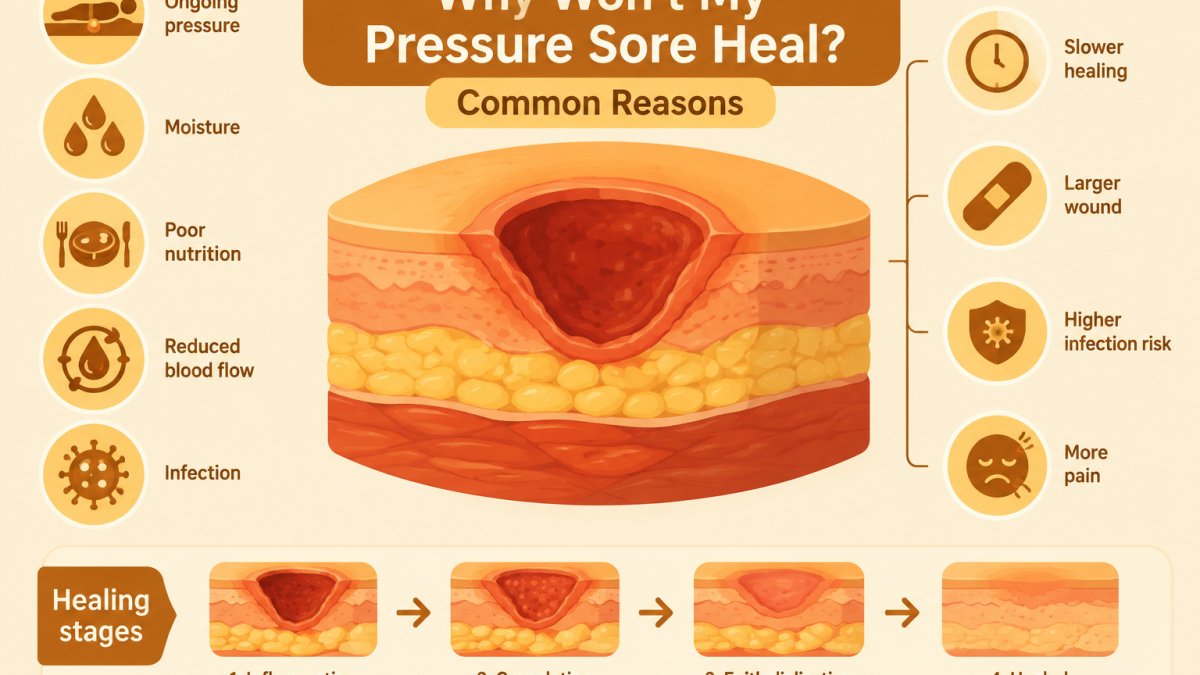
Sometimes, but it depends on the wound. A superficial ulcer on a low-risk patient may be managed on a suitable overlay, while a deep ulcer, a wound over a bony prominence such as the sacrum or heels, or one that is not healing may need a higher-specification replacement mattress. Wound location, depth, exudate, infection status and your mobility all affect the decision. This is exactly the kind of judgement an NHS pressure-relieving mattress assessment is designed to make, so do not buy or rent an overlay for an existing ulcer without your wound-care team's input.
Do air mattress overlays make noise?
Alternating pressure overlays use a pump that cycles air between cells, and some people notice the pump hum or the soft pulsing of the mattress at night. Static air overlays have no pump cycling, so they are usually quieter, though the initial inflation pump may run briefly. Noise levels vary between models and are rarely the deciding factor clinically, but if you are a light sleeper or share a room, ask whether a trial period is possible so you can judge it in your own home rather than in a showroom.
Do you still need to reposition someone using an air mattress?
Yes. No mattress, overlay or replacement, removes the need for repositioning. NICE guidance recommends regular changes of position as part of a documented pressure-management plan, and an air mattress overlay supports that plan rather than replacing it. How often you need to turn depends on your risk level, skin condition and the surface you are on, and your wound-care team should set the schedule. If you are a carer, ask for manual handling training and equipment so repositioning is safe for both of you.
The hardest part is not choosing equipment. It is keeping pressure and shear managed every day, long after the delivery van has gone. Pressure Sore Recovery exists to help you do that, with practical chapters on pressure relief, skin protection and preventing further breakdown. BUY THE PDF - £9.99.

Comments