How to Prevent Pressure Sore Recurrence

Table of Contents
Why Pressure Sores Come Back: Understanding Recurrence Risk
Building Your Pressure Sore Prevention Care Plan
The three pillars of prevention: pressure, skin, and monitoring
Pressure Relief: The Non-Negotiable Foundation
Position changes and timing
Choosing pressure-relieving cushions and mattresses
Skin Checks for Pressure Sores: What to Look For and When
How to perform a thorough skin check
Red flags that need immediate attention
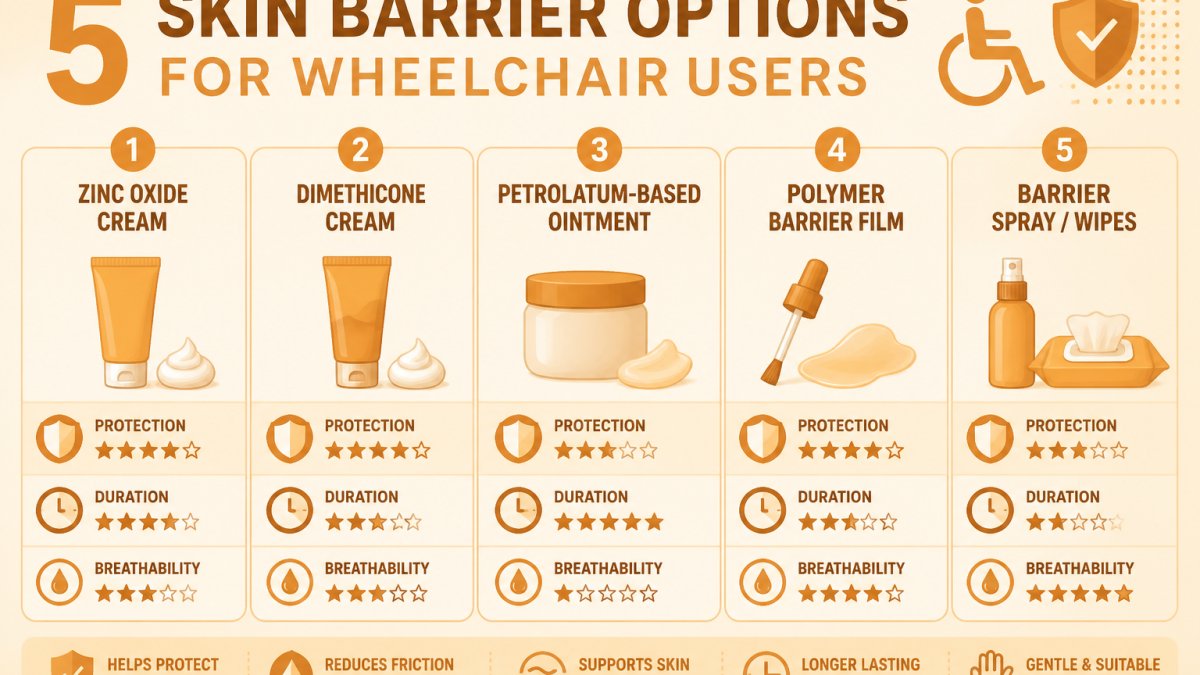
Pressure Sore Prevention for Wheelchair Users
Daily routines that work in practice
Nutrition and Skin Health: Supporting Tissue Resilience
Common Mistakes That Lead to Recurrence
Frequently Asked Questions
Last Updated: 10 October 2026
I'm not a doctor. I'm the patient. This article combines published information with lessons from my own experience of living with serious pressure sores. It is intended to help you understand the subject, ask better questions of your healthcare team, and learn how to prevent pressure sore recurrence, not replace professional medical advice.
Why Pressure Sores Come Back: Understanding Recurrence Risk
Pressure sore recurrence is one of the hardest parts of living with pressure injuries. You heal one sore, think you're finally past it, and months later you're back where you started. The frustration is real, and it's common.
What I learned early on is that healing a pressure sore and the steps needed to prevent pressure sore recurrence are two different challenges. A healed wound doesn't mean the tissue underneath is as strong as it was before. Scar tissue is less resilient. Your skin has memory. If you return to the same conditions that caused the first sore, your body will too.
The truth is this: pressure sore recurrence happens because the conditions that created the first sore haven't changed. Pressure. Shear. Moisture. Poor circulation. Nutrition gaps. Immobility. None of those factors go away just because the wound closed. They're still there, waiting.
Key Takeaway Preventing pressure sore recurrence means understanding that healing a wound is not the same as fixing what caused it. You need to address the root causes, pressure, shear, and skin breakdown risk, or recurrence is almost inevitable.
Building Your Pressure Sore Prevention Care Plan
A prevention care plan isn't something your healthcare team does for you. It's something you build with them, and you're the one who lives it every single day.
The three pillars of prevention: pressure, skin, and monitoring
Pressure relief is non-negotiable. Skin checks catch problems early. Monitoring tells you when something's changing. These three pillars work together. Remove one and the whole structure fails.
Your prevention plan should include:
A clear pressure relief schedule that fits your actual life
Daily skin checks at specific times
A record of what you find (or don't find)
Clear triggers for when to contact your healthcare team
A backup plan for days when your routine breaks down
The plan needs to be realistic. If it's so complicated you can't stick to it, it won't work. Simple and consistent beats perfect and abandoned.
Pro Tip Write your prevention plan down. Share it with your carer or family member if you have one. Review it every three months. Things change, your mobility, your equipment, your living situation. Your plan needs to change too.
Pressure Relief: The Non-Negotiable Foundation
You cannot prevent pressure sores without managing pressure. This is the single most important factor. No dressing, supplement, or nutrition strategy can compensate for sustained pressure on vulnerable skin.
Position changes and timing
Changing position regularly is the most direct way to relieve pressure. The goal is simple: don't let any one area of your body bear your weight for too long.
For bed-bound patients, timing matters:
Change position every 2-3 hours during the day
More frequent changes if you're at higher risk (very thin, poor circulation, previous sores)
Use pillows or foam wedges to keep bony areas (heels, hips, elbows, back of head) from touching the mattress directly
Avoid sitting on the same spot all day without relief
For wheelchair users, the timing is different. Most guidance suggests pressure relief every 15-30 minutes. That might mean a push-up (lifting your body off the seat), a tilt-back, or a side-to-side shift. The exact method depends on your mobility and your chair.
What matters is consistency. One day of perfect pressure relief won't prevent a sore. Three months of skipping your routine will.
Watch Out Pressure sores can develop quickly when pressure returns after healing. A patient I know skipped relief for one week after returning to work. The sore came back in two weeks. The tissue was still weak. Don't assume you're "past" the risk just because you healed once.
Choosing pressure-relieving cushions and mattresses
Your cushion or mattress is your first line of defence. It either works or it doesn't. There's no middle ground.
For cushions:
Foam alone is not enough for most people at risk
Gel or air-filled cushions distribute pressure more evenly
Contoured cushions that match your body shape work better than flat ones
Cushion covers matter, a slippery cover allows shear; a textured one reduces it
Test before you commit; what works for one person might not work for you
For mattresses:
Standard hospital mattresses offer minimal pressure relief
Pressure-relieving mattresses (foam, gel, or air) significantly reduce risk
Air mattresses need monitoring, they can deflate or develop soft spots
Mattress condition matters; a worn mattress loses its effectiveness
Your healthcare team can advise on what's available through the NHS or your care provider. Some options are funded; others you may need to purchase privately.

Skin Checks for Pressure Sores: What to Look For and When
Daily skin checks are how you catch problems before they become serious. A small red mark today is a stage 1 sore. Left unchecked for a week, it becomes stage 2 or worse.
How to perform a thorough skin check
Do your skin check at the same time each day. Morning or evening, consistency matters more than timing. You need good light. A mirror helps for areas you can't see directly (your back, buttocks, heels).
What to look for:
Redness that doesn't blanch (doesn't turn white when you press it gently)
Swelling or puffiness in one area
Warmth to the touch compared to surrounding skin
Skin that feels harder or thicker than normal
Blisters, cracks, or areas where skin has broken
Discolouration, purple, blue, or dark patches
Any area that looks or feels different from yesterday (Source: guidance on developing a comprehensive pressure ulcer prevention strategy)
Write down what you see. Note the location, size (rough estimate), colour, and whether it's tender or painful. If you see the same mark two days in a row, that's a warning. If it's getting darker or larger, contact your healthcare team.
Red flags that need immediate attention
Some signs mean you should contact your wound-care team today, not wait for your next appointment:
A mark that's spreading rapidly
Skin that's warm, red, and painful (possible infection)
Fluid or discharge from a sore
A sore that's getting deeper or wider despite pressure relief
Fever or feeling unwell alongside a skin change
Blistering or skin breakdown that appeared suddenly
These aren't necessarily emergencies, but they need professional assessment. Your healthcare team needs to see them early, when options are still open.
Pressure Sore Prevention for Wheelchair Users
Wheelchair users face unique challenges. You're sitting on the same area for hours. Pressure builds. Shear happens when you shift position or transfer. Your routine is different from a bed-bound person's.
Daily routines that work in practice
The goal is pressure relief every 15-30 minutes. That sounds frequent, but it becomes habit once you build it in.
What this looks like in practice:
Set a phone alarm for every 20 minutes as a reminder
Combine relief with natural breaks (when you pause to drink, check your phone, talk to someone)
Use different relief methods to avoid the same movement every time
Do a quick skin check during relief, catch problems early
Keep a log of your relief schedule for the first month; you'll notice patterns
For transfers (moving from bed to chair or chair to toilet):
Use proper technique; ask your physio to check your transfer if you're unsure
Avoid dragging or sliding; that creates shear
Take your time; rushing increases risk of pressure damage
Change position slightly during the transfer if you can
Many wheelchair users find that building relief into their daily routine, after meals, before leaving home, when they arrive at work, works better than trying to remember every 20 minutes. Find what fits your life.
Pro Tip Talk to other wheelchair users about what works for them. Online communities and local spinal cord injury groups often have people who've solved the same problems you're facing. Their routines might inspire yours.
Nutrition and Skin Health: Supporting Tissue Resilience
Your skin needs fuel to heal and stay strong. Protein, energy, hydration, and key nutrients all matter. But nutrition alone won't prevent a sore if pressure is still there.
What nutrition does is give your body the resources to repair damage and maintain skin integrity. If you're undernourished, your skin is weaker. If you're well-nourished, your body has a better chance of resisting breakdown.
Protein is particularly important. Your skin is made of protein. Collagen, the protein that gives skin strength, needs amino acids to rebuild. Many people with pressure sores don't eat enough protein without realising it.
Hydration matters too. Dehydrated skin is fragile. Drink consistently throughout the day, not just when you're thirsty.
If you have questions about whether your nutrition is adequate, ask your healthcare team. A registered dietitian can assess your intake and identify gaps. Don't assume you need supplements; sometimes the answer is simply eating more of the right foods.
Common Mistakes That Lead to Recurrence
These are the patterns I've seen, in my own experience and in conversations with other patients, that lead people back to square one.
Assuming you're "cured" once the wound closes. The wound closing is one milestone. Tissue strength is another. Give yourself time. Your scar tissue needs weeks or months to mature.
Stopping pressure relief too early. Some people ease off their relief routine once healing starts. The sore comes back. Pressure relief isn't temporary. It's permanent.
Skipping skin checks because you're tired. I get it. Checking your skin every day feels tedious. But a five-minute check catches a problem when it's small. Ignoring it costs weeks of healing.
Ignoring small warning signs. A persistent red mark that doesn't blanch is a stage 1 sore. Many people ignore it, thinking it'll go away. It doesn't. It gets worse.
Relying on one piece of equipment. Your cushion wears out. Your mattress develops a soft spot. Your relief technique becomes less effective over time. Monitor your equipment and replace it before it fails.
Not communicating with your healthcare team. If something feels wrong, say something. Early intervention changes outcomes.
Preventing pressure sore recurrence is about consistency, not perfection. You'll have days when your routine breaks down. What matters is getting back on track quickly.
If you're struggling to maintain your prevention routine or you're worried about recurrence, the NHS guidance on pressure ulcer prevention offers additional resources.
BUY THE PDF - £9.99
Frequently Asked Questions
Can a pressure sore come back after it has healed completely?
Yes. Once you've had a pressure sore, that area of skin is more vulnerable to breakdown. Healed tissue is often thinner and less resilient than undamaged skin, and the underlying risk factors that caused the first sore (prolonged pressure, reduced mobility, poor circulation) don't disappear after healing. This is why preventing recurrence requires ongoing pressure relief and regular skin monitoring, not just healing the wound itself.
What should I do if a healed pressure sore becomes red or sore again?
Report it to your wound-care team or GP as soon as possible. Redness, warmth, swelling, or tenderness in a previously healed area can signal early breakdown or inflammation. Early intervention, adjusting your pressure relief, changing position more frequently, or reviewing your care plan, can stop a small problem becoming a serious wound. Don't wait to see if it improves on its own.
How often should I change position to help prevent pressure sores from returning?
This depends on your individual circumstances, your skin's tolerance, and the surfaces you're sitting or lying on. There is no universal 'every 2 hours' rule that works for everyone. Your wound-care team can recommend a schedule based on your pressure relief equipment, mobility, and skin condition. Keep a record of what works for you, and adjust if you notice any redness or early signs of breakdown.
What's the difference between a pressure sore prevention care plan and just doing what my physio tells me?
A formal prevention care plan brings together everything that matters: your pressure-relief schedule, your skin-check routine, your equipment choices, nutrition support, and what to do if problems start. It's written down, shared with your care team, and reviewed regularly. This makes it easier to spot what's working and what isn't, and means everyone supporting you (carers, nurses, physiotherapists) is following the same approach. It transforms ad-hoc advice into a coordinated strategy.
BUY THE PDF – £9.99
Comments