Top 5 Protein Supplements for Wound Healing: A Patient's Guide

Last Updated: 31 October 2026
Quick Summary
The top 5 protein supplements for wound healing are whey, casein, plant-based powders, collagen peptides and specialist oral nutritional supplements. None has proven healing superiority in pressure sores, so treat protein supplements as one part of a wider plan that includes pressure relief and wound care.
Whey is a complete protein that mixes easily but contains lactose, so it may cause bloating.
Collagen is not a complete protein and should add to your intake, not replace it.
Specialist oral nutritional supplements are usually agreed with a dietitian rather than self-selected.
There is no universal daily protein target; ask your dietitian to assess your individual needs.
No supplement can compensate for continued pressure or shear that is not being redistributed.
Table of Contents
I'm not a doctor. I'm the patient. This article combines published information with lessons from my own experience of living with serious pressure sores. It is intended to help you understand the subject and ask better questions of your healthcare team, not replace professional medical advice.
What I Wish I'd Understood About Protein Supplements for Wound Healing
When I was lying in bed with a deep pressure sore, eating became a job. Nobody hands you a leaflet explaining that the top 5 protein supplements for wound healing are tools with different jobs, not magic powders. This guide from Pressure Sore Recovery covers what I slowly worked out: protein supports tissue repair, but it cannot compensate for pressure and shear that are still going on.
Protein is a macronutrient made of amino acids, and the body needs a steady supply of the essential ones to build new tissue. NHS information on pressure ulcers is clear that nutrition is one part of a wider care plan, alongside pressure relief and wound care. That framing matters. A supplement is a supporting actor.
These five options differ in protein quality, convenience, tolerability and dietary suitability. None has proven healing superiority in pressure sores. Below, I'll walk through each one honestly, including where the evidence is thin.
Quick Comparison: The Top 5 Protein Supplements at a Glance
Here is the summary I wish someone had drawn for me on a single sheet of paper.
Supplement type | Protein quality | Convenience | Tolerability | Best suited to |
Whey powder | Complete, fast-digesting | High, mixes easily | Contains lactose | Most people who tolerate dairy |
Casein powder | Complete, slow-digesting | High, thicker texture | Contains lactose | Those wanting a slower release |
Plant-based powder | Varies by blend | High | Often gentler on digestion | Dairy-free or vegan diets |
Collagen peptides | Incomplete protein | High, dissolves well | Generally well tolerated | Adding to overall intake, not replacing it |
Specialist ONS | Complete, formulated | Very high, ready-made | Varies by product | Poor appetite or high clinical need |
Whey protein: a complete protein, supplying all nine essential amino acids. It comes from milk, so it is unsuitable for anyone with a dairy allergy or following a vegan diet, and some people find it harder to tolerate if they are lactose intolerant.
Casein protein: also a complete protein, but it digests more slowly than whey. It carries the same dairy-based limitations as whey, and its thicker texture suits some people less well.
Plant-based protein: soy protein is a complete protein in its own right, and well-formulated plant blends combining several plant sources can also supply all essential amino acids. Suitable for vegan, vegetarian and dairy-free diets, though protein content and amino acid balance vary between products.
Collagen peptides: an incomplete protein, so it is best added to overall protein intake rather than relied on as a replacement for a complete protein source.
Specialist oral nutritional supplements (ONS): composition varies by product. Some include added ingredients such as arginine, HMB, zinc or antioxidants, and these formulations are not interchangeable, so choosing between them should involve a healthcare professional.
1. Whey Protein Powders: The Complete Protein Workhorse
Whey is a complete protein, meaning it supplies all the essential amino acids the body cannot make itself. It digests relatively quickly and mixes easily into drinks, which matters when you are stuck in bed and appetite is poor.
Pros and cons of whey protein
Pros: complete amino acid profile, easy to mix, widely available, relatively affordable per serving.
Cons: contains lactose, so it can cause bloating or digestive upset in some people; not suitable for dairy-free diets.
2. Casein Protein Powders: Slower Release, Longer Support
Casein is also a complete protein, but it digests more slowly than whey. Some people find that useful for a longer, steadier supply of amino acids between meals or overnight. There is no established evidence that this slower release gives casein a wound healing advantage over whey; total daily protein intake matters more than the specific source.
The trade-off is texture. Casein thickens when mixed, which some people like and others find unpleasant. If you struggle with fullness or early satiety, a thick shake can be a chore.
Pros and cons of casein protein
Pros: complete protein, slower digestion, useful between meals.
Cons: thicker consistency, contains dairy, can feel heavy when appetite is low.
3. Plant-Based Protein Powders: Suitable for Different Dietary Needs
Plant-based powders suit people who avoid dairy or follow a vegan diet. Soy protein is a complete protein, supplying all the essential amino acids on its own. Other single-source plant proteins can be lower in one or more essential amino acids, but a blended product combining multiple plant sources can also supply a complete amino acid profile. Plant-based protein is not inherently inferior to animal-based protein, it depends on the specific source or blend.
Plant powders are not all equal. Reading the label for the protein source, whether a single complete protein like soy or a blend of multiple sources, can help you judge the protein profile. For anyone managing a dairy intolerance alongside a pressure sore, this category may be worth discussing with your dietitian.
Pros and cons of plant-based protein
Pros: dairy-free, often gentler on digestion, suits vegan diets, soy and well-formulated blends can supply all essential amino acids.
Cons: quality varies widely, some single-source options other than soy may be incomplete on their own, taste can be an issue.
4. Collagen Peptides: Not a Complete Protein, But Worth Understanding
Collagen is not a complete protein. It lacks enough of certain essential amino acids, particularly tryptophan, to count as a full protein source on its own. That does not make it useless, but it does mean collagen should add to your protein intake, not replace it.
Evidence for collagen specifically improving pressure sore healing is limited and mixed. A nutrient's biological role is not the same as proof that supplementing it speeds healing. I would ask your wound-care team whether it fits your overall plan before spending money on it.
Pros and cons of collagen peptides
Pros: dissolves easily, generally well tolerated, easy to add to drinks.
Cons: incomplete protein, limited direct evidence for pressure sore healing, should not replace complete protein sources.
For a deeper look at the evidence, read collagen supplements for wound recovery.
5. Specialist High-Protein Oral Nutritional Supplements: Arginine and HMB Formulations
Specialist oral nutritional supplements are ready-made drinks or powders formulated for clinical use. Formulations vary: some contain arginine, others HMB, zinc or antioxidants, alongside protein and energy, and these ingredients are not interchangeable with one another. They are typically recommended when appetite is poor or nutritional needs are high.
Guidance such as that from NICE on nutrition support in adults stresses that nutrition support should follow an individual assessment. These products are not a casual purchase; they are usually part of a plan agreed with a dietitian or clinical team. Evidence for specific formulations in pressure sore healing exists but is not uniform across all products.
Pros and cons of specialist oral nutritional supplements
Pros: complete and formulated, convenient, useful when appetite is very poor.
Cons: can be expensive, taste varies, best used under clinical guidance rather than self-selected.
Composition varies: arginine, HMB, zinc and antioxidant-enriched formulations are not interchangeable. NICE guidance on pressure ulcer management discusses nutritional support in wound care, but the evidence that any one formulation heals wounds faster than a standard supplement is limited and should be weighed with your clinical team, not assumed.
Amino Acids for Wound Repair: Why Protein Quality Matters
Amino acids for wound repair are the building blocks the body actually uses, and protein quality describes how well a source supplies the essential ones. A complete protein provides all nine essential amino acids in useful amounts; an incomplete one falls short somewhere.
This is why I stopped judging supplements by grams of protein alone. Two products can state the same protein content and still differ in quality. For anyone building a high protein diet for pressure sores, completeness matters as much as quantity.
How Much Protein Does Wound Healing Require?
There is no universal daily target. Clinical guidelines, such as the NICE guideline on nutrition support for adults, can offer indicative ranges, but your actual protein needs require assessment by a healthcare professional. This matters especially if you have kidney disease or another condition that affects how your body handles protein. Requirements also depend on wound severity and depth, your nutritional status and your body weight.
Ask your dietitian or wound-care team to assess your individual needs. What I would say is that protein only helps if energy intake is adequate too; the body needs both. British Dietetic Association food fact sheets are a useful starting point for understanding the wider picture.
When Supplements Are Not Enough
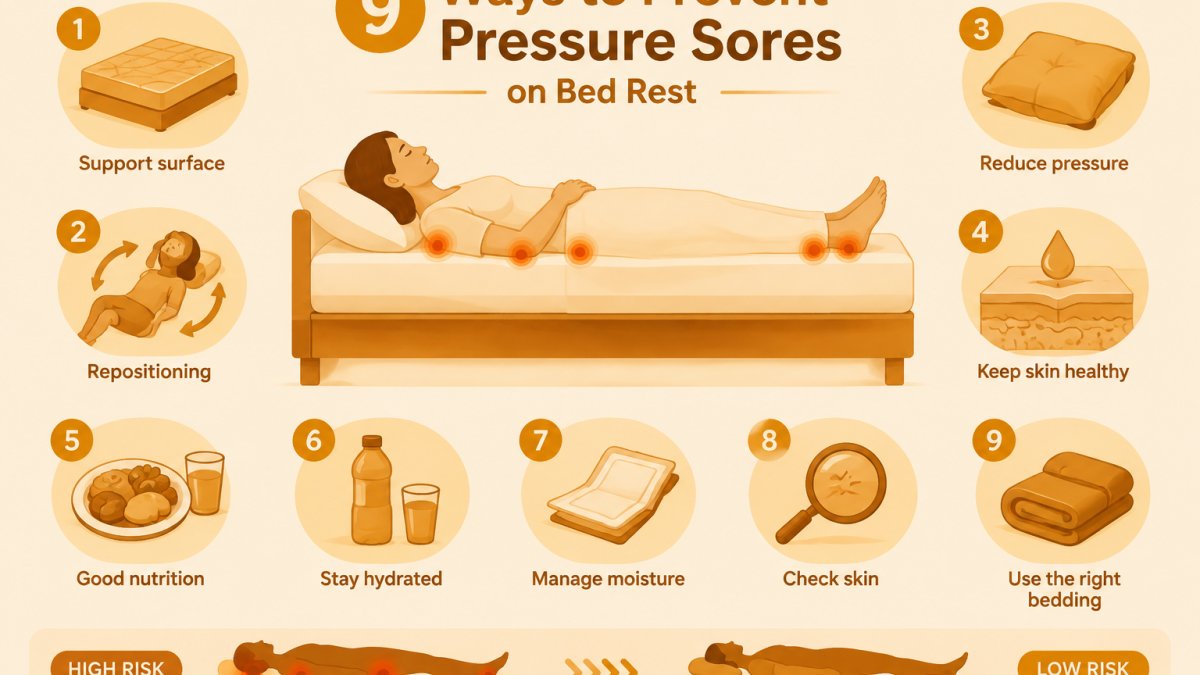
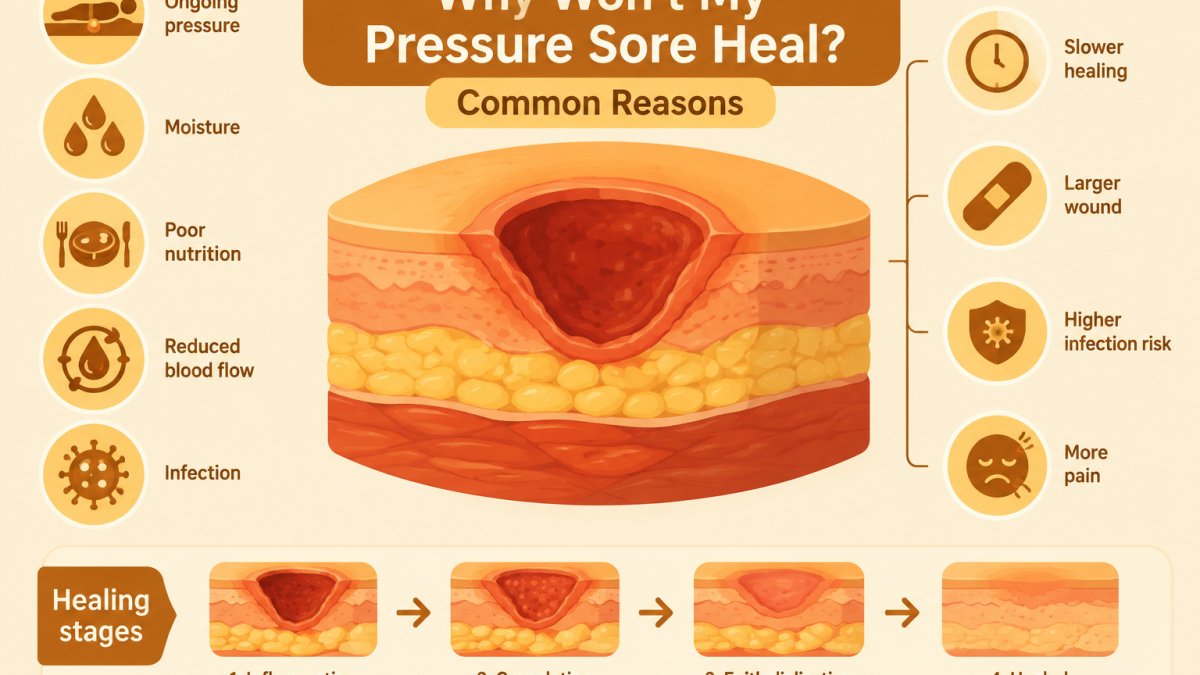
No supplement can compensate for continued pressure or shear. If the source of pressure is not being redistributed through repositioning, specialist equipment and offloading, tissue repair is fighting a losing battle. That is one of the most important things I have learned.
Infection is another factor that supplements do not address. Suspected infection, spreading redness, systemic illness or possible bone involvement needs professional assessment, not a protein shake. Wound care, overall nutrition, hydration and managing underlying conditions all sit alongside protein. For the fuller picture, read why chronic wounds fail to heal.
Where to Start
Start with a conversation, not a shopping basket. Ask your team which type fits your situation, your diet and your tolerance. Then treat any supplement as one part of a plan that includes pressure relief, infection control and proper wound care.
At Pressure Sore Recovery, the 24-chapter guide "Pressure Sore Recovery: What Nobody Told Me" covers nutrition, protein, collagen, surgery and recovery from lived experience. It is written for patients and carers who want to ask better questions and understand what is happening.
BUY THE PDF - £9.99
Frequently Asked Questions
Does protein help wounds heal faster?
Protein provides the amino acids the body needs to rebuild tissue, so adequate intake supports the healing process. But it is one factor among many. Pressure relief, infection control, wound care, circulation, hydration and overall nutrition all matter. No supplement can compensate for continued pressure or shear on a pressure sore. Your wound-care team can assess whether your protein intake is adequate for your wound and circumstances.
What is the best protein supplement for pressure ulcers?
There is no single best option. Whey and casein are complete proteins and convenient for many people. Plant-based powders suit those avoiding dairy. Collagen peptides are not a complete protein, so they cannot replace a full protein source. Specialist oral nutritional supplements containing arginine and HMB are used in some clinical settings, but evidence varies. Discuss options with your dietitian or wound-care team, who can match a supplement to your needs and medical history.
Is collagen or whey better for wound healing?
Whey is a complete protein containing all essential amino acids, which the body needs for tissue repair. Collagen peptides lack tryptophan and are not a complete protein, so they cannot replace a full protein source. Some research has examined collagen supplementation, but evidence for its effect on pressure sore healing specifically is limited. If you use collagen, treat it as an addition to adequate overall protein, not a substitute.
Can supplements replace a balanced diet for wound recovery?
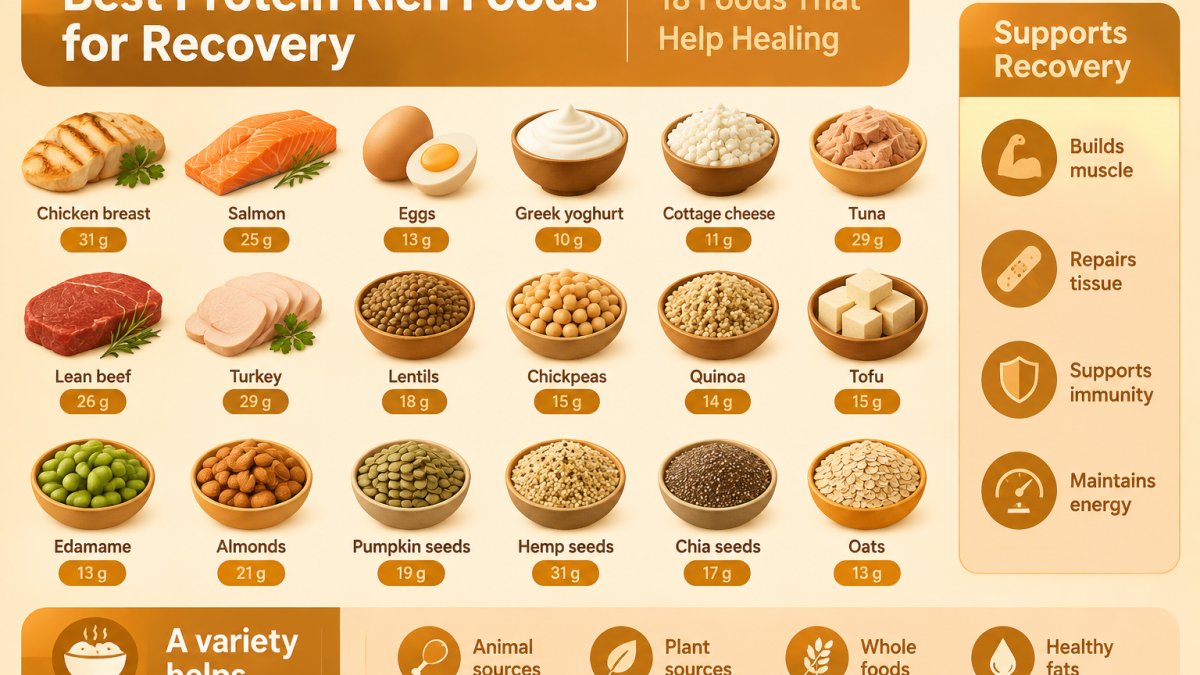
No. Supplements can help when dietary intake is inadequate or when a clinician recommends them, but they do not replace a varied diet providing energy, protein, fluids, vitamins and minerals. A high protein diet for pressure sores should be built on whole foods where possible, with supplements filling gaps. Your dietitian can advise on what is appropriate for you.
Comments