Can Moisture Cause Pressure Injuries? What Patients Need to Know

Table of Contents
How Moisture Damages Skin and Increases Pressure Injury Risk
Moisture-Associated Skin Damage or Pressure Injury, What's the Difference?
Incontinence-Associated Dermatitis: When Urine and Faeces Damage Skin
Pressure and Shear: Why Moisture Makes Them Worse
Skin Checks for Pressure Sores: What to Look For When Moisture Is a Factor
Practical Prevention: What I Wish I'd Understood Earlier
Frequently Asked Questions
Last Updated: 10 October 2026
Can Moisture Cause Pressure Injuries? What Patients Need to Know (Source: NICE guidelines on pressure ulcer prevention)
I'm Not a Doctor, I'm the Patient
I'm not a doctor. I'm the patient. This article combines published information with lessons from my own experience of living with serious pressure sores. It is intended to help you understand the subject and ask better questions of your healthcare team, not replace professional medical advice.
When I first developed pressure sores, nobody explained the relationship between moisture and skin breakdown clearly. I knew pressure was the main culprit. But moisture? That seemed like a secondary issue. It took months of struggling with wet skin, infected wounds, and deteriorating tissue before I understood how profoundly moisture damages skin and makes pressure injuries worse.
The question "can moisture cause pressure injuries" matters because the answer is more nuanced than yes or no. Moisture can damage skin significantly. But moisture-associated skin damage and pressure injuries are different conditions, even though they often appear together and make each other worse. Understanding that difference changes how you approach prevention and recovery.
How Moisture Damages Skin and Increases Pressure Injury Risk
Moisture softens and weakens the outer layer of skin. When skin stays wet for hours, the cells swell. The protective barrier breaks down. The skin becomes fragile and more vulnerable to damage from pressure, friction, and shear.
Prolonged contact with urine, faeces, sweat, or wound fluid causes this damage. The longer the exposure, the worse the breakdown. This process is called maceration. Macerated skin tears easily. It loses its ability to resist pressure. That's why moisture matters so much during bed rest or wheelchair use, when pressure is already a constant threat.
The damage happens gradually. You might not see obvious changes at first. But underneath, the skin is weakening. By the time visible breakdown appears, the damage has been building for days or weeks.
Pro Tip Check skin daily, especially in areas that stay moist: between buttocks, under the scrotum, in skin folds, around the anus, and anywhere sweat or incontinence products trap moisture. Early detection of redness or softening can prevent serious breakdown.
Moisture-Associated Skin Damage or Pressure Injury, What's the Difference?
These are two separate conditions. They look different. They have different causes. But they often occur together and worsen each other.
Moisture-associated skin damage (MASD) is damage caused by prolonged exposure to moisture. It includes incontinence-associated dermatitis (redness and breakdown from urine or faeces), sweat-related damage, and maceration from wound fluid. MASD typically appears as redness, peeling, or shallow erosions in areas where moisture collects.
Pressure injuries are caused by pressure and shear compressing tissue and cutting off blood flow. They develop in layers, from the skin surface down through deeper tissue. Pressure injuries often appear over bony areas like the sacrum, heels, hips, and elbows.

The critical point: you can have MASD without a pressure injury. You can have a pressure injury without MASD. But when both are present, they make each other worse. Wet, macerated skin is less able to resist pressure. Pressure injuries weep fluid that keeps surrounding skin wet. This cycle accelerates breakdown.
Watch Out Do not self-diagnose based on appearance alone. Redness can be MASD, early pressure injury, infection, or friction damage. Your wound-care team needs to assess the wound depth, location, and how it responds to intervention to determine what you're dealing with. What looks like simple moisture damage might be deeper than it appears.
Incontinence-Associated Dermatitis: When Urine and Faeces Damage Skin
Incontinence-associated dermatitis (IAD) is the most common type of moisture-associated skin damage. It develops when skin stays in contact with urine or faeces for extended periods.
Urine and faeces are irritating to skin. They contain enzymes and bacteria that break down the skin barrier. The longer the contact, the deeper the damage goes. IAD typically starts as redness. It can progress to peeling, erosions, and open sores if moisture exposure continues.
The risk is higher during bed rest. Incontinence products can trap moisture against the skin. Even with frequent changes, some moisture lingers. The skin folds under the buttocks and around the genitals are especially vulnerable because they stay moist and have less air circulation.
Many people assume IAD is just a hygiene issue. It's not. Even with excellent cleansing, if the skin is wet constantly, damage will occur. The solution isn't more aggressive cleaning, that can make it worse. The solution is reducing moisture exposure: frequent pad changes, appropriate skin barriers, and good ventilation.
Pressure and Shear: Why Moisture Makes Them Worse
Moisture doesn't just cause damage on its own. It makes pressure and shear injuries much more likely to develop.
Healthy, dry skin can tolerate some pressure. The outer layers have integrity. They can distribute force across a wider area. Wet, macerated skin has lost that resilience. The same amount of pressure causes deeper damage.
Shear is friction between layers of tissue. It happens when skin stays fixed in one spot but underlying tissue shifts. During bed rest, this happens constantly. When skin is wet and slippery, shear increases. The skin slides more easily over the tissue beneath it, creating more friction and tearing.
This is why moisture management is not separate from pressure relief, it's part of it. You can't prevent pressure injuries effectively if you're not managing moisture. Pressure redistribution alone isn't enough when the skin is constantly wet.
Key Takeaway Pressure and moisture damage are interconnected. Dry skin tolerates pressure better. Wet skin breaks down faster under the same pressure. This is why your care plan needs to address both simultaneously.
Skin Checks for Pressure Sores: What to Look For When Moisture Is a Factor
Daily skin checks are essential. When moisture is a factor, you're looking for specific signs that damage is developing.
Check for:
Redness that doesn't blanch (doesn't turn white when you press it)
Skin that feels softer or more fragile than usual
Peeling or flaking in areas that stay moist
Erosions or shallow breaks in the skin
Odour, which can indicate infection in moist areas
Maceration: skin that looks waterlogged or wrinkled
Pay special attention to areas where moisture collects: under the buttocks, between the legs, in skin folds, around the anus, and under breasts or belly skin folds. These areas are at highest risk.
Document what you see. Take photos if possible. Note changes over days. This information helps your healthcare team understand what's happening and adjust your care plan.
If you notice changes, report them early. Early intervention can stop progression. Late intervention might mean infection or deeper damage.
Practical Prevention: What I Wish I'd Understood Earlier
Looking back at my own experience, several things would have made a difference if I'd understood them sooner.
Moisture management is not optional. It's as important as pressure relief. You can't choose one or the other. Both matter. If your care plan addresses pressure but not moisture, or moisture but not pressure, you're still at high risk.
Appropriate cleansing matters more than frequent cleansing. I learned this the hard way. Washing constantly with soap irritated my skin further. What helped was gentle cleansing with water or a mild cleanser, followed by thorough drying. Your wound-care team can recommend what's appropriate for your situation.
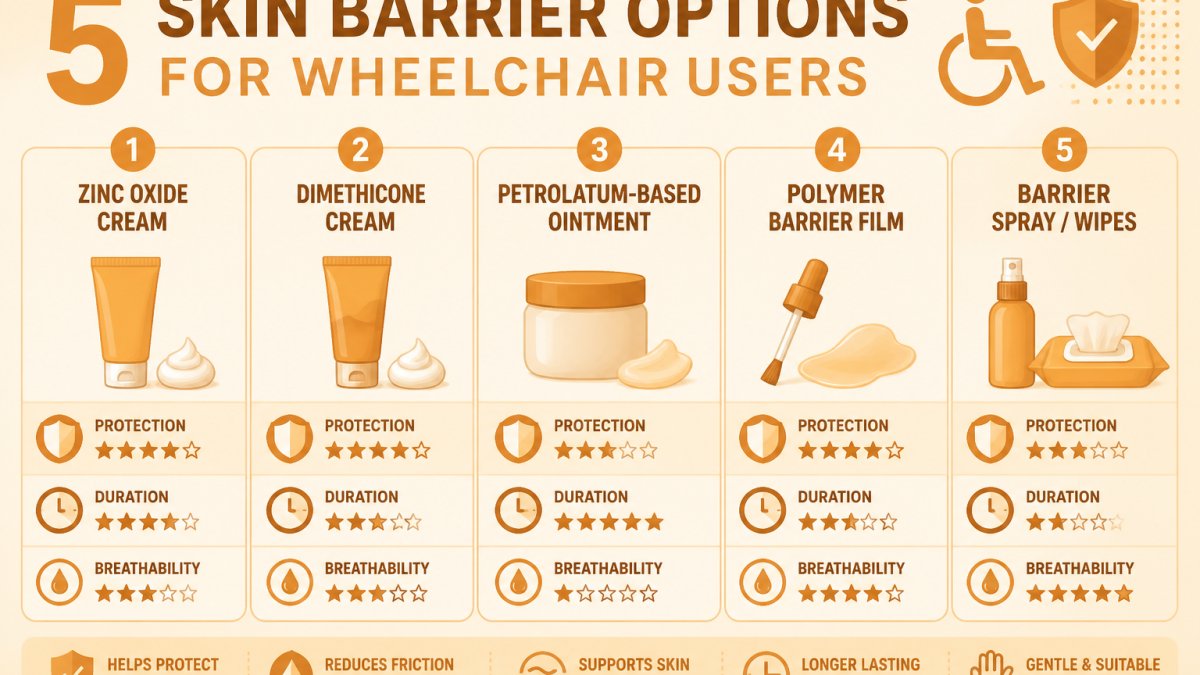
Skin barriers prevent damage. Creams and ointments create a protective layer between skin and moisture. They're not a substitute for keeping skin dry, but they help. Ask your team which barriers are appropriate for your skin type and your situation.
Continence support is part of pressure injury prevention. If you're incontinent, managing that is part of managing your skin. This might mean scheduled toileting, appropriate pads or products, or other strategies. It's not something to feel embarrassed about, it's healthcare.
Air circulation matters. Moisture that can't evaporate stays on the skin. When possible, allow skin to air dry. This might mean brief periods without pads or dressings, or positioning that allows ventilation. Your team can advise what's safe for your specific situation.
Pressure redistribution and moisture management work together. The best prevention combines both. Pressure-relieving surfaces help. Moisture management helps. Together, they're much more effective than either alone.
NICE guidance on pressure ulcer prevention and management emphasises that skin care, including moisture management, is a core part of pressure injury prevention. Wound Healing Society resources on skin integrity provide evidence-based information on how moisture affects tissue health. NHS information on pressure sores and prevention covers the practical steps involved in daily skin protection.
Understanding the relationship between moisture and pressure injuries changed how I approached my own recovery. Moisture damages skin. Pressure damages tissue. Together, they accelerate breakdown. Managing both is what prevents serious injury and supports healing.
If you're dealing with pressure sores or trying to prevent them, your healthcare team is essential. They can assess your specific situation, recommend appropriate products and strategies, and adjust your care plan as needed. But you're also an important part of that team. The more you understand about how moisture and pressure work together, the better questions you can ask and the more active a role you can take in your own recovery.
For a deeper dive into pressure injury prevention, nutrition for healing, and managing recovery after breakdown, Pressure Sore Recovery's 24-chapter guide covers the lessons and questions most patients wish they'd understood earlier - BUY THE PDF - £9.99
Moisture Factor | Impact on Skin | Prevention Strategy |
Prolonged urine contact | Irritation, erosion, IAD | Frequent pad changes, skin barriers |
Faecal incontinence | Deep irritation, infection risk | Cleansing protocols, continence support |
Wound exudate | Maceration, weakened barrier | Appropriate dressings, moisture wicking |
Sweat in skin folds | Maceration, friction damage | Air circulation, moisture-wicking materials |
Combination with pressure | Accelerated tissue breakdown | Pressure relief + moisture management together |
Frequently Asked Questions
Can moisture alone cause a pressure injury?
Moisture alone does not typically cause a pressure injury, but it significantly increases vulnerability. Pressure injuries develop from sustained pressure or shear on tissue. However, moisture damages the skin's protective barrier, softens tissue (maceration), and makes skin more susceptible to breakdown when combined with pressure, friction or shear. This is why moisture management is essential alongside pressure redistribution.
What is the difference between moisture-associated skin damage and a pressure injury?
Moisture-associated skin damage (MASD) results from prolonged exposure to urine, faeces, sweat or wound fluid. It causes redness, erosion and discomfort but develops from chemical irritation and maceration, not pressure. A pressure injury develops from sustained pressure or shear restricting blood flow to tissue. Both can occur together, but they have different causes and require different management. Your healthcare team can help you identify which condition you're dealing with.
Can sweating increase the risk of pressure sores when I use a wheelchair?
Yes. Sweat creates prolonged moisture on skin, softening tissue and damaging the protective barrier. When combined with pressure from sitting and friction from movement, this increases pressure injury risk. Moisture management is particularly important for wheelchair users. Regular skin checks, frequent position changes, moisture-wicking clothing and timely cleansing all help reduce this risk as part of your overall prevention plan with your healthcare team.
When should I ask a healthcare professional to check a skin change if moisture is involved?
Contact your healthcare team if you notice persistent redness that doesn't fade within 30 minutes of pressure relief, blistering, erosion, swelling, warmth, unusual discharge, spreading redness, or any skin change that concerns you. Don't wait to see if it improves on its own. Early assessment helps distinguish between moisture damage and pressure injury, and identifies the right management approach before tissue damage worsens.
BUY THE PDF – £9.99
Comments