Returning to Sitting After Pressure Sore Flap Surgery: A Patient's Guide

Table of Contents
Healed ≠ Fixed: Why Wound Closure Is Only the Beginning
Getting Surgical Clearance Before You Return to Sitting
Understanding Your Sitting Protocol After Pressure Ulcer Flap Surgery
Why Rushing Back to Sitting Can Be a Mistake
Skin Checks After Flap Surgery: What to Look For and When to Act
Graded Sitting Programme After Flap Surgery: Building Tolerance Safely
Wheelchair Cushion Assessment After Flap Surgery
Pressure Mapping and Wheelchair Fit
Transfers and Shear Management
Nutrition, Confidence and Long-Term Skin Protection
Warning Signs: When to Seek Clinical Reassessment
Frequently Asked Questions
Last Updated: 10 October 2026
I'm Not a Doctor, I'm a Patient
Healed ≠ Fixed: Why Wound Closure Is Only the Beginning
When your pressure sore finally closes, it feels like the end of the story. Your consultant says it's healed.
I'm not a doctor. I'm the patient. This article combines published information with lessons from my own experience of living with serious pressure sores.
The skin surface closing is just the first checkpoint.
Returning to sitting after flap surgery requires far more than a healed wound surface.
Key Takeaway Wound closure does not mean the tissue underneath is strong enough to bear weight or handle shear forces. This is the most common misunderstanding, and it's the reason many people develop recurrent pressure sores within weeks of "returning to normal."
Deeper layers, dermis, subcutaneous fat, muscle, heal in phases. Your skin may look intact, but the collagen matrix is still reorganising and new blood vessels establishing. Tissue has only a fraction of its final strength.
According to the Wound Healing Society's clinical guidance on pressure injury management, tissue maturation continues for months after wound closure.
Getting Surgical Clearance Before You Return to Sitting
Your surgeon's clearance confirms wound closure and flap viability, but doesn't assess your tolerance for sitting pressure, that's a separate conversation.
Before you leave hospital or before your surgeon gives the all-clear to start sitting, ask these specific questions:
What type of flap did you use, and how does that affect my sitting timeline?
Are there any complications, infection, partial necrosis, or delayed healing, that would change my sitting protocol?
What does my individualised graded sitting programme look like? (Not a generic protocol, yours, based on your wound location, flap type, and medical history.)
Who will monitor my skin during the sitting programme, and how often?
What warning signs should I watch for that would mean I need to stop sitting and seek reassessment?
Do I need pressure mapping before I start sitting?
Your surgical team should provide a specific, written sitting protocol tailored to your wound location, flap type, complications, and individual circumstances.
Understanding Your Sitting Protocol After Pressure Ulcer Flap Surgery
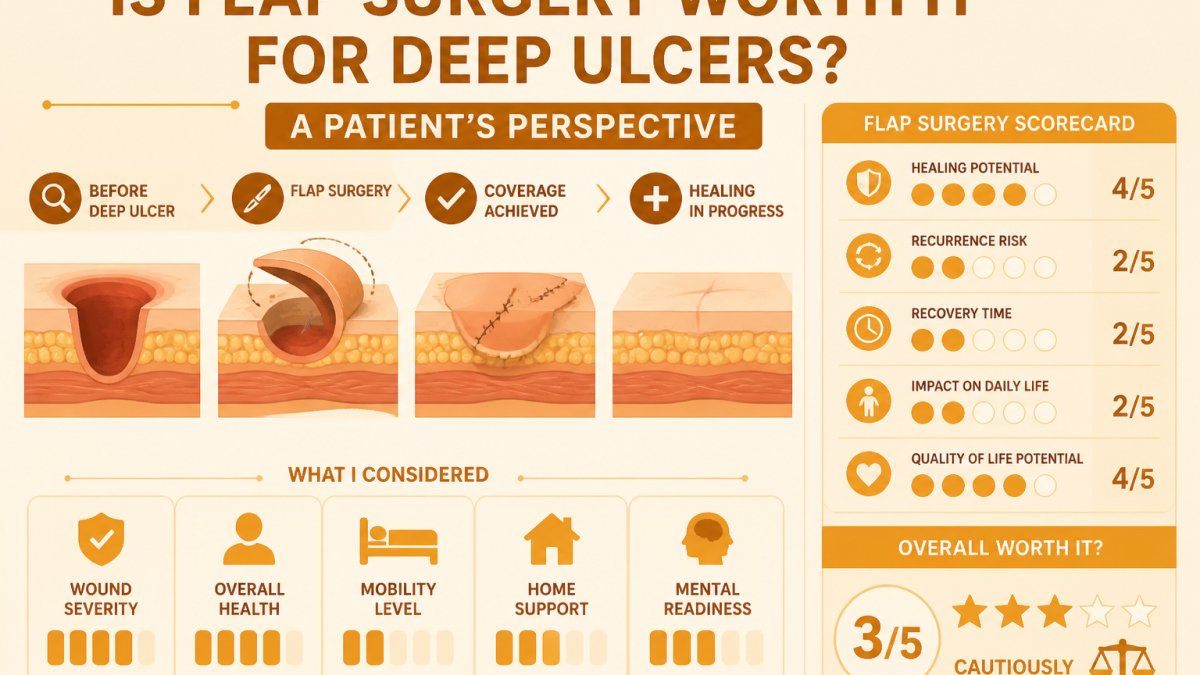
Returning to sitting after flap surgery follows a graded protocol. This is not optional; it's how tissue gets strong enough to tolerate the forces sitting creates.
A graded sitting programme starts with short intervals and increases gradually, but the exact starting point, rate of increase, and final target depend on your specific circumstances.
Here's what varies:
Factor | Impact on Your Protocol |
Flap location (sacral, ischial, trochanteric) | Affects which tissues are vulnerable and how much pressure they'll experience when sitting |
Flap type (muscle, musculocutaneous, fasciocutaneous) | Different tissues have different healing timelines and strength development |
Wound depth before surgery | Deeper wounds mean more tissue damage and longer remodelling |
Complications during healing | Infection, partial flap loss, or delayed healing extends the safe timeline |
Your circulation and nutritional status | These directly affect how quickly new tissue matures |
Your ability to do pressure relief | If you can't do frequent weight shifts, you need longer intervals before attempting sitting |
Your surgical team should provide a written protocol specifying your starting interval, increase frequency, and target duration. If they say "sit as much as you can tolerate," that's guesswork, not a protocol.
Watch Out "As much as you can tolerate" is not a safe guide. Tissue damage happens silently. You won't feel pressure damage developing until it's too late. A graded protocol based on healing biology, not comfort, is what prevents this.
Why Rushing Back to Sitting Can Be a Mistake
The pressure inside tissue when you sit is enormous. Even with a good cushion and perfect posture, sitting creates pressure forces that your newly healed flap cannot yet handle.
If you return to sitting too quickly, you're asking fragile, newly formed tissue to bear forces it cannot tolerate. Recurrent breakdown often follows within days or weeks.
This is why your protocol matters more than your motivation. Stick to it even when you feel ready to do more. Your tissue isn't ready.
Skin Checks After Flap Surgery: What to Look For and When to Act
Your skin is your early warning system. If you learn to read it, you can catch problems before they become serious.
Inspect your scar, flap, and surrounding skin daily, ideally twice a day. This is your frontline defence against recurrence.
What you're looking for:
Colour changes: Redness that doesn't blanch (doesn't turn white when you press it) means pressure damage is starting. This is your signal to stop sitting immediately and seek assessment.
Swelling or firmness: The flap should feel soft and supple. If it becomes swollen, hard, or unusually warm, that suggests inflammation or infection.
Blistering or breakdown: Any break in the skin, even tiny, needs immediate attention.
Drainage or odour: Unexpected discharge or smell suggests infection. This needs professional assessment urgently.
Numbness or altered sensation: Flaps can have reduced sensation. Learn what normal feels like for your flap, and report changes.
Take photos to track changes over time. If anything looks or feels different, stop sitting and contact your wound-care team immediately.
Graded Sitting Programme After Flap Surgery: Building Tolerance Safely

(Source: [National Institute for Health and Care Excellence (NICE) guidelines on pressure ulcer prevention and management](https://www.nice.org.uk/guidance/qs140/chapter/1-Recommendations))
A graded sitting programme is structured progression with a purpose: to allow tissue to adapt, identify problems early, and build your flap's tolerance gradually. Here's the general framework (your actual protocol will be individualised):
Phase 1: Initial sitting Start with very short intervals, then rest for at least 30 minutes. Check your skin before and after.
Phase 2: Gradual increase Increase by small increments. Continue frequent off-loading (every 30-45 minutes) and daily skin checks.
Phase 3: Tolerance building Extend intervals slightly. Pressure relief remains essential, get off every hour at minimum.
Phase 4: Return to function Aim to return to your baseline sitting tolerance. Ongoing pressure relief, skin monitoring, and cushion maintenance remain non-negotiable for life.
Your actual progression depends on your healing, skin response, flap type, and individual risk factors.
Wheelchair Cushion Assessment After Flap Surgery
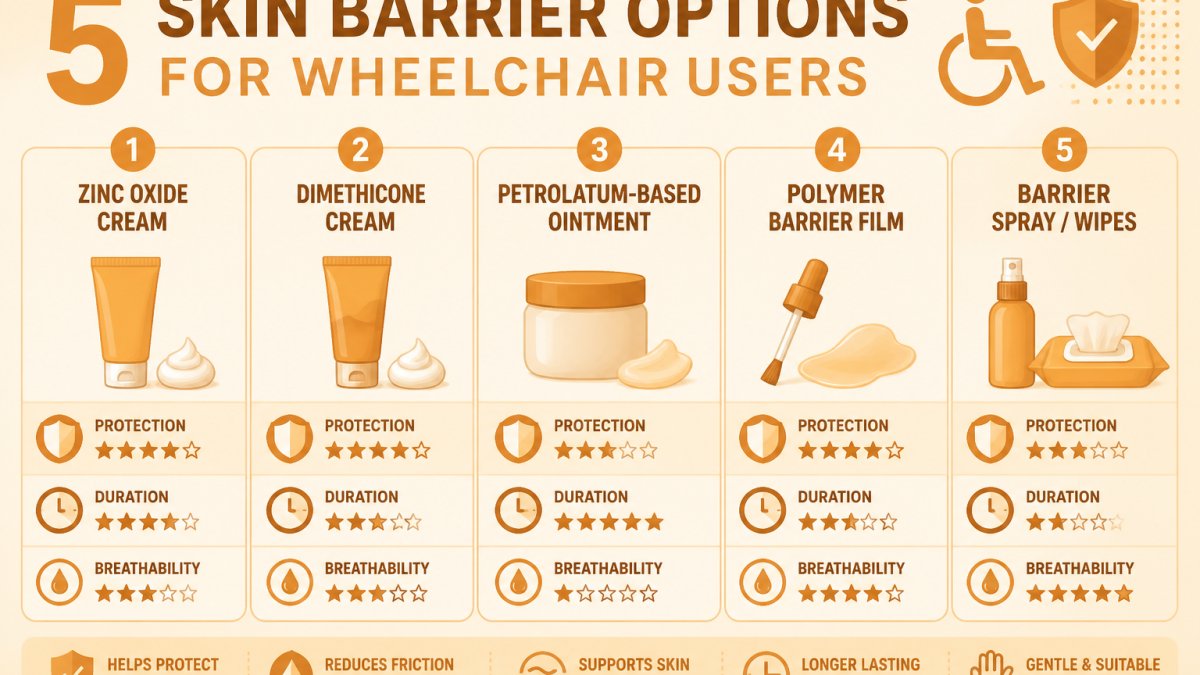
Your cushion is critical equipment. Before you start sitting, your wheelchair should be reassessed. Your weight distribution, flap location, and pressure-relief needs have changed. A proper assessment includes:
Pressure mapping: Shows where pressure concentrates when you sit. Should happen before you start sitting and again after a few weeks to confirm the cushion is working.
Cushion type evaluation: Different cushions suit different needs. Your assessment should determine which is right for your flap location and sitting tolerance.
Fit and positioning: Posture, pelvic alignment, and weight distribution all matter.
Ask your occupational therapist or wheelchair service to do a formal assessment before you start sitting. Don't assume your old setup is still appropriate.
Pressure Mapping and Wheelchair Fit
Pressure mapping shows peak pressure points and pressure distribution. If it shows high concentrations over your flap site, your cushion or positioning needs to change. Pressure mapping should be done before you start sitting and repeated after a few weeks to confirm your setup is working.
Transfers and Shear Management
How you get in and out of your wheelchair matters as much as how long you sit. Shear, the sideways sliding force during transfers, can damage your flap as much as pressure can. Safe transfers require a transfer board or slide sheet if possible, proper lifting assistance without dragging, and skin checks after every transfer.
Your physiotherapist should teach you safe transfer techniques specific to your flap location. If you're not confident, ask for a demonstration and practise it with supervision before you try it at home.
Nutrition, Confidence and Long-Term Skin Protection
Nutrition matters throughout recovery, especially during remodelling when your flap is developing strength. Protein, energy, hydration, and micronutrients support tissue maturation. Ask your dietitian or wound-care team about your specific needs.
Confidence is also part of recovery. Returning to sitting after flap surgery is genuinely scary. Fear can become avoidance, and avoidance can lead to deconditioning.
This is where psychological support resources for people with chronic wounds and recurrent pressure injuries can help. If you're struggling with anxiety about recurrence, ask your team for a referral to a psychologist or counsellor.
Pro Tip Keep a simple log of your sitting sessions: date, time sat, any skin changes, how you felt. This gives you concrete evidence that your protocol is working and helps your team track your progress. It also reminds you that small, consistent progress is still progress.
Warning Signs: When to Seek Clinical Reassessment
Some changes mean you need to stop sitting and contact your team immediately.
Stop sitting and seek urgent assessment if:
Redness that doesn't blanch appears over your flap or scar
Swelling, warmth, or firmness develops in or around your flap
Any break in the skin appears
Unusual drainage, odour, or discharge develops
You develop fever, chills, or feel systemically unwell
Pain develops in or around your flap
Your flap changes colour, becomes darker, paler, or mottled
Numbness or tingling develops where sensation was previously normal
You notice any change that concerns you
These are your body telling you something needs attention.
Also contact your team if:
You're not sure whether a change is normal
You're not progressing as expected
You're struggling emotionally with returning to sitting
Your cushion or wheelchair setup doesn't feel right
You need your protocol adjusted
Regular contact with your wound-care team, surgeon, and therapists, not just at scheduled appointments, is part of safe reintegration to sitting.
Returning to sitting after flap surgery is a careful reintroduction to major physical stress, guided by your healing biology and monitored by your team and your own vigilance.
If you want a practical, detailed guide to flap surgery recovery, pressure relief, nutrition, and the questions to ask your team, BUY THE PDF - £9.99. The 24-chapter guide "Pressure Sore Recovery: What Nobody Told Me" covers pre-surgery preparation through long-term recurrence prevention, with specific chapters on returning to sitting, wheelchair management, and rebuilding confidence.
For more information on managing your recovery, explore our guides on flap surgery recovery, wheelchair skin protection, and preventing recurrence.
Frequently Asked Questions
When can you sit again after pressure sore flap surgery?
The timing varies depending on your surgical team, the flap type, wound location, and how well you're healing. Some teams clear patients to start brief sitting within weeks; others wait longer. Your surgeon will assess tissue maturity, flap viability and healing before giving clearance. Never begin returning to sitting after flap surgery without explicit approval from your surgical or wound-care team. Healing depends on individual circumstances, not a fixed timeline.
Why is a graded sitting programme after flap surgery necessary?
A graded sitting programme allows your flap and surrounding tissue to adapt gradually to pressure and shear. Starting with short intervals and building tolerance helps you avoid sudden stress on newly healed tissue. Your programme will be individualised based on your flap type, location, and risk factors. Rushing back to full sitting too quickly raises the risk of breakdown, fluid accumulation or flap compromise.
What should I check on my skin after flap surgery when I start sitting?
After each sitting session, inspect your scar, flap area and surrounding skin for redness, swelling, warmth, blanching, blistering or fluid leakage. Check for any areas that don't blanch when you press them. Look at pressure points on your buttocks, hips and thighs. Report persistent redness lasting more than 30 minutes, new swelling, heat, or any sign of breakdown to your wound-care team immediately.
How do I know if my wheelchair cushion is right after flap surgery?
Your cushion should be assessed by your occupational therapist or seating specialist, ideally using pressure mapping if available. The goal is to spread your weight evenly and reduce peak pressure on your flap site and other vulnerable areas. A poorly fitting cushion or one that was appropriate before surgery may not work now. Ask your team whether your current cushion needs adjustment or replacement, and how often it should be reassessed as you progress through your sitting programme.
Get practical, evidence-based guidance on returning to sitting safely after flap surgery. Pressure Sore Recovery's 24-chapter PDF guide includes detailed chapters on graded sitting protocols, skin monitoring, nutrition for tissue rebuilding, and the questions to ask your surgical team before discharge. Download "Pressure Sore Recovery: What Nobody Told Me", £9.99.
BUY THE PDF – £9.99
Comments