Wheelchair User Skin Protection: What I Learned

Table of Contents
Why Wheelchair Users Face Skin Damage
Prolonged sitting and pressure
Shear forces during transfers and repositioning
Moisture, heat and friction
THE DANGER OF NOT FEELING DAMAGE
Daily Wheelchair Skin Checks: What to Look For
Early warning signs of pressure injury
Where to check and what you are looking for
Wheelchair Pressure Relief: Building Your Routine
Understanding your individual risk factors
Pressure relief techniques and timing
YOUR CUSHION IS NOT A GUARANTEE
How to assess whether your cushion is suitable
Pressure mapping and its limitations
Posture, Clothing and Everyday Factors
HEALED ≠ FIXED: Protecting Skin After Wound Healing
Why healed tissue remains vulnerable
Returning to sitting safely after a pressure injury
Carer Support and Shared Responsibility
Frequently Asked Questions
Last Updated: 10 October 2026
Wheelchair User Skin Protection: What I Learned the Hard Way (Source: guidelines from the National Institute for Health and Care Excellence (NICE))
I'm Not a Doctor, I'm the Patient.
I'm not a doctor. I'm the patient. This article combines published information with lessons from my own experience of living with serious pressure sores. It is intended to help you understand the subject and ask better questions of your healthcare team, not replace professional medical advice.
When you use a wheelchair full-time, your skin faces pressures most people never experience.
Pressure sores develop silently. You cannot feel them coming if you have reduced sensation. Your wheelchair cushion redistributes pressure but does not eliminate it. Wheelchair user skin protection is an active, daily practice that changes how you sit, move, inspect yourself and work with your care team.
Key Takeaway Pressure sores develop silently in people with reduced sensation. Pain is not your warning system. Daily skin checks and active pressure relief are.
Why Wheelchair Users Face Skin Damage
Prolonged sitting and pressure
Your body weight concentrates on small areas: your sacrum, ischial tuberosities (sit bones), and heels. These bony prominences press directly into the cushion, compressing deeper tissues between bone and chair.
Continuous pressure cuts off blood flow to tissue underneath. Without oxygen, cells break down. This can happen within hours of unrelieved pressure, depending on pressure level and individual circulation.
Pro Tip Pressure injury risk is not about comfort. You can feel fine while tissue damage is happening underneath. This is why sensation matters so much, and why reduced sensation is so dangerous.
Shear forces during transfers and repositioning
Shear is the force when your skin and tissues below move in different directions. It is a major cause of wheelchair skin damage.
During transfers, your skin stays in place against the seat while your body moves, damaging deep blood vessels. Shear can cause more damage than pressure alone; wounds often start deep and become visible only when skin breaks down.
Repositioning creates shear: sliding forward, pushing up, adjusting position all create shearing force. How you move matters as much as how long you sit.
Moisture, heat and friction
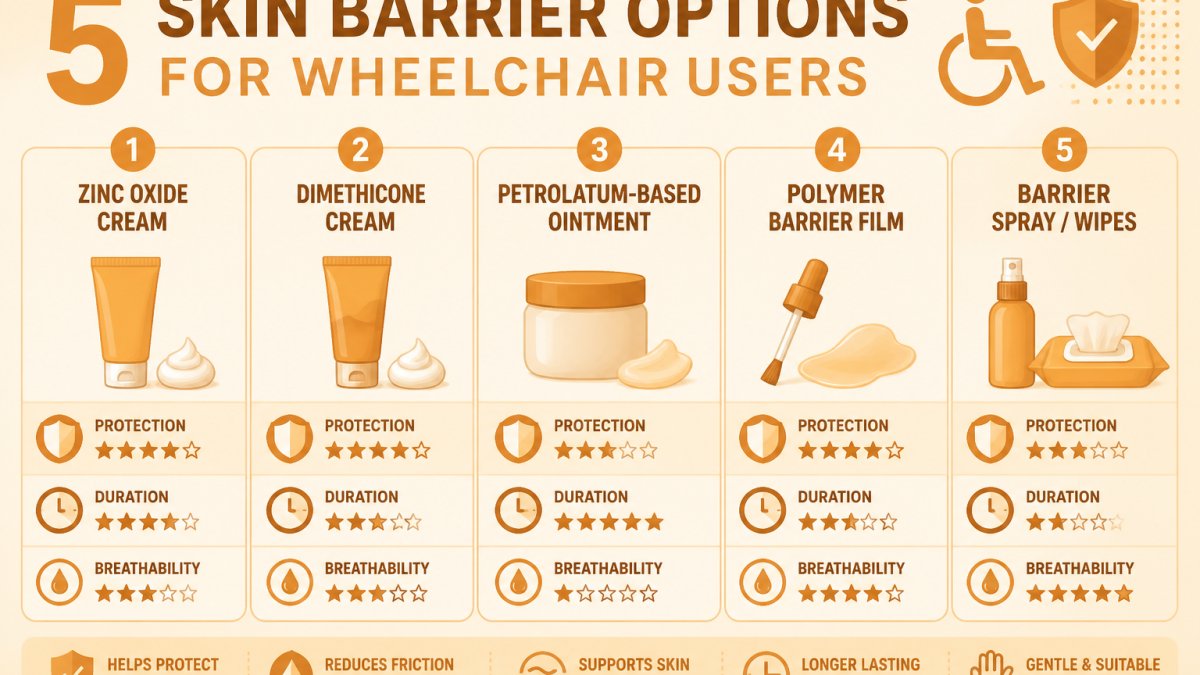
Moisture breaks down skin. Sweat, incontinence, or humidity under a cushion softens skin and makes it fragile. Heat accelerates this. Friction from clothing seams, sliding, and transfers damages weakened skin.
THE DANGER OF NOT FEELING DAMAGE
This is the part that changed everything for me.
If you have reduced sensation from spinal cord injury, diabetes, or other conditions, you cannot rely on pain to warn you. Without it, damage happens silently.
People with full sensation feel pain and shift weight automatically. Your body may not force you to relieve pressure. Your skin can be breaking down without your knowledge.
This is why daily skin checks are not optional. They are your replacement alarm system.
Watch Out Absence of pain does NOT mean absence of damage. In fact, it often means the opposite, the damage is deep enough that it has destroyed the nerves that would signal pain. By the time you feel it, you are already in trouble.
Daily Wheelchair Skin Checks: What to Look For
Early warning signs of pressure injury
The earliest sign is redness that does not blanch (turn white) when pressed. Non-blanching redness indicates Stage 1 pressure injury: skin intact but underlying tissue already damaged.
Blisters or purple discolouration indicate deeper damage. Blistering can happen quickly, especially over bony areas like sacrum or heels.
Skin breakdown means an open wound requiring professional care. Daily checks can catch damage at Stage 1.
Other early signs: warmth, swelling, hardness, shiny appearance, texture changes, or odour.

Where to check and what you are looking for
Check your sacrum, ischial tuberosities (sit bones), heels, elbows, and any area where bone is close to the surface or clothing seams press into skin. Look for redness, blistering, or breakdown.
If you have reduced sensation, a carer can spot things you cannot see or feel. Make skin checks part of your daily routine.
Use good lighting and a mirror for areas you cannot see. Photograph concerning areas weekly to track changes. Contact your healthcare team if you notice non-blanching redness.
Pro Tip Photograph any concerning areas weekly. Comparing photos over time helps you spot slow changes that you might miss day-to-day. It also gives your wound-care team a clear picture of what's happening.
Wheelchair Pressure Relief: Building Your Routine
Understanding your individual risk factors
Your risk depends on sensation level, circulation, nutrition, cushion quality and fit, transfer frequency, underlying conditions, and individual body factors.
Generic timings do not work for everyone. Your healthcare team can help determine what your skin actually needs.
If you have not had a pressure assessment, ask for one. A tissue viability nurse or wound-care specialist can evaluate your specific risk and recommend a suitable routine.
Pressure relief techniques and timing
Pressure relief techniques include weight shifts, forward leans, lifting yourself up, reclined positioning, lying down, or getting out of your chair.
The goal is to move pressure away from high-risk areas. Weight shifts move pressure side to side. Forward leans relieve sacrum and sit-bone pressure. Lifting relieves all pressure momentarily.
Which technique works depends on your strength, balance, and equipment. Some people manage independent relief; others need carer support or a tilt-in-space chair.
Frequency depends on your risk and must be individualised. Work with your healthcare team and monitor your skin to determine what you need.
YOUR CUSHION IS NOT A GUARANTEE
Your cushion redistributes pressure but does not eliminate it. No cushion works the same for every person.
How to assess whether your cushion is suitable
A good wheelchair cushion should distribute weight, reduce peak pressure on bony areas, stay in place during transfers, be comfortable, and match your wheelchair.
Signs your cushion may not be suitable: repeated redness or breakdown in the same location, pressure points, uneven compression, excessive heat or moisture, or constant discomfort.
Repeated pressure sores in the same location suggest your cushion may need reassessment. Ask your healthcare team for pressure mapping.
Pressure mapping and its limitations
Pressure mapping uses a special mat to show where pressure is highest when you sit. It can identify problem areas and help select a better cushion.
Pressure mapping is useful but not a guarantee. A cushion that looks good on a pressure map can still fail if you have poor circulation, reduced sensation, or high shear forces.
Your skin is the real test. If you develop pressure sores despite a good pressure map, investigate transfers, positioning, pressure relief routine, nutrition, or individual healing capacity with your team.
Key Takeaway A pressure map is a tool, not a promise. Your skin tells the real story. Monitor it daily, and adjust your approach based on what your skin actually shows you.
Posture, Clothing and Everyday Factors
Slouching or leaning concentrates pressure unevenly and creates shear. Sitting upright distributes weight more evenly across both sit bones.
Upright posture does not mean rigid. You need to move, shift, and reposition throughout the day; static posture eventually causes damage.
Clothing seams create pressure lines. A seam over your ischial tuberosity can trigger a pressure sore. Wear clothing without seams under your sit bones and avoid tight waistbands.
Heat and moisture accelerate skin breakdown. Use breathable cushion covers and fabrics. In warm weather, increase pressure relief frequency.
Transfers create shear. Smooth, controlled movements cause less damage than jerky or sliding. Ask your carer to lift rather than slide and support your body rather than pull.
HEALED ≠ FIXED: Protecting Skin After Wound Healing
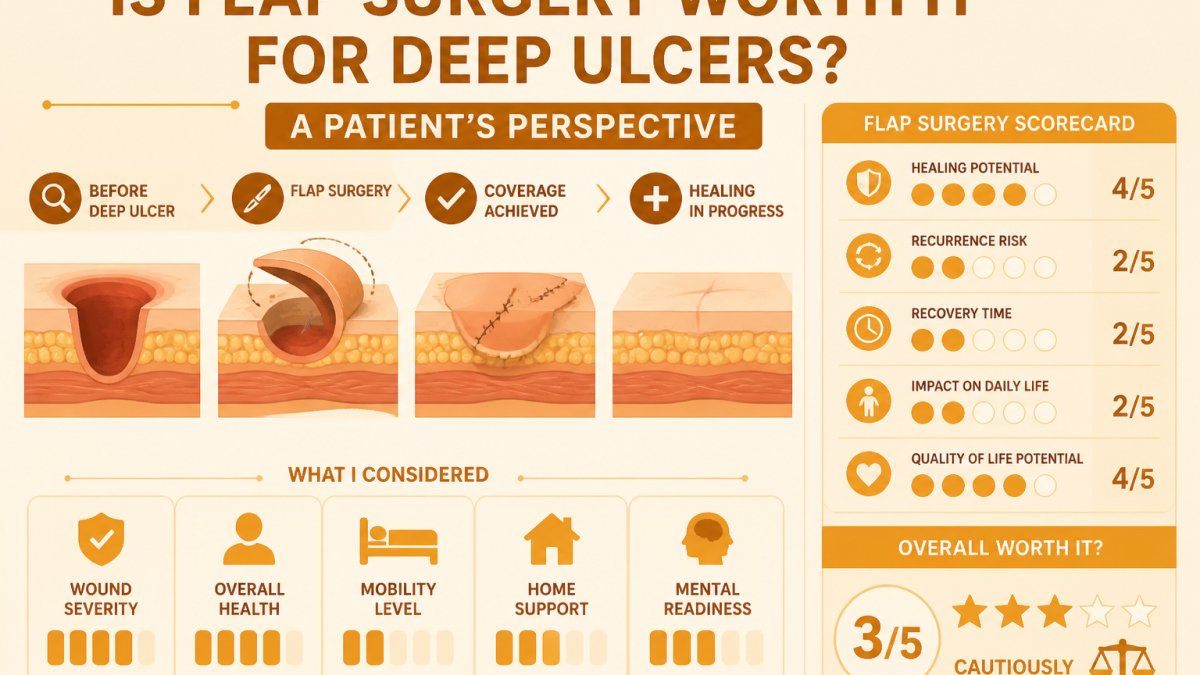
When your pressure sore closes, the tissue underneath remains damaged. Scar tissue is weaker than original skin, has fewer blood vessels, and heals more slowly if it breaks down again.
Why healed tissue remains vulnerable
Healed pressure sore tissue is permanently at higher risk of recurrence. Scar tissue is more fragile with reduced blood flow. The same pressure and shear will cause breakdown faster and deeper.
Preventing recurrence is harder than preventing the first sore. You cannot return to previous routines; you must do better.
Research from the Wound Healing Society on pressure injury prevention emphasises that prevention after healing requires the same vigilance as acute wound care. Your skin has not returned to normal. It has returned to functional, but vulnerable.
Returning to sitting safely after a pressure injury
After healing, returning to full sitting takes time. Your healthcare team should provide a gradual return-to-sitting protocol involving short initial periods, gradual increases, frequent skin checks, continued pressure relief, and monitoring for redness or breakdown.
Your overall risk has increased. You have proven your body develops pressure sores. That risk does not go away.
Watch Out Healed does not mean fixed. Recurrence is common. If you had one pressure sore, you are at higher risk of developing another. Adjust your routine permanently, not just temporarily.
For more detailed information on managing recurrence and understanding the difference between healed and truly recovered tissue, read our article on pressure sore recurrence(#) and healed versus fixed(#).
Carer Support and Shared Responsibility
A good carer will:
Help with daily skin checks if you cannot see all areas
Support your pressure relief routine without judgment
Learn proper transfer technique to minimise shear
Spot changes in your skin early
Communicate concerns to your healthcare team
But carers need clear information. They need support themselves, caring for someone with pressure sore risk is emotionally and physically demanding.
If you are a wheelchair user managing this alone, be honest with yourself about what you can actually do.
The goal is not perfection. It is consistency. A routine you actually follow beats an ideal routine you cannot sustain.
Your healthcare team is essential. But you are an important member of your own wound-care team. Ask questions. Monitor your skin. Speak up when something does not feel right.
Frequently Asked Questions
How often should a wheelchair user check their skin for pressure damage?
Daily skin checks are essential, ideally after you transfer out of your wheelchair. The frequency and thoroughness depend on your individual risk factors, sensation level, and history of pressure injuries. If you have reduced sensation, daily checks are non-negotiable because you cannot rely on pain to warn you. Ask your wound-care team or physiotherapist what frequency is right for your circumstances. Some people benefit from multiple checks throughout the day, particularly after transfers or long periods of sitting.
What are the early warning signs of a pressure sore developing in wheelchair users?
Early signs include persistent redness that doesn't blanch (turn white) when you press it, warmth or heat in one area, swelling, hardness or unusual firmness of the skin, blistering, or skin that looks shiny or darker than surrounding tissue. You might also notice a change in skin texture, moisture or temperature before visible damage appears. If you have sensation, pain or discomfort in a pressure-prone area is a warning sign. Report any of these to your healthcare team early, as early intervention prevents deeper injury.
Can a good wheelchair cushion alone prevent pressure sores?
No. A suitable cushion is important, but it is not a guarantee against pressure injury. Pressure redistribution depends on correct cushion type, proper wheelchair fit, your weight distribution, posture, and how long you sit without relief. Even the best cushion cannot compensate for prolonged continuous pressure or repeated shear forces during transfers. Pressure mapping can show how pressure is distributed, but it has limitations and doesn't predict real-world use or individual healing capacity. Cushion assessment should be part of a broader skin-protection plan that includes regular pressure relief, skin checks and addressing other risk factors.
Why can't I just rely on pain to warn me if a pressure sore is developing?
Many wheelchair users, particularly those with spinal cord injury, have reduced sensation or no feeling below the level of injury. Pain is a natural warning system in people with full sensation, but if you cannot feel pressure, heat, friction or early skin damage, you have no built-in alarm. Damage can develop silently under the skin or at the surface without any discomfort to alert you. This is why daily visual skin checks are critical for anyone with reduced sensation. You must actively look for signs rather than waiting to feel something wrong.
BUY THE PDF – £9.99
Comments