7 Early Signs of Skin Breakdown: What Every Pressure Sore Patient Should Know

Last Updated: October 31, 2026
Quick Summary
The early signs of skin breakdown to watch for are persistent redness or discolouration, changes in skin temperature, swelling or firmness, new pain or unusual sensations, blisters or broken skin, changes in skin texture, and moisture damage or fragile skin. These signs have different causes and do not all mean a pressure injury is forming, so report any change to your wound care team.
Check your skin twice daily, morning and night, using a mirror or asking a carer to check sitting areas.
A red mark that does not fade after pressure is removed is a classic warning sign.
On darker skin tones, look for areas that appear darker, purplish, bluish, ashen or simply different.
Do not pop blisters yourself or apply home remedies or dressings you have not been shown how to use.
Seek urgent medical advice the same day for spreading redness, swelling, heat or pus.
Table of Contents
Why Skin Breakdown Starts Quietly
Skin breakdown rarely announces itself. In my experience with reduced sensation after spinal cord injury, the first changes are often subtle, easy to dismiss, and easy to miss entirely. That is exactly what makes the 7 early signs of skin breakdown to watch for so important: they are the small signals that can appear before a pressure sore becomes obvious. This guide from Pressure Sore Recovery sets out what to look for, why each sign matters, and when to pick up the phone to your wound care team.
Skin breakdown is damage to the skin and underlying tissue caused by pressure, shear, moisture or friction. It does not always follow a predictable pattern, and not every sign below means a pressure injury is forming.
The NHS advises checking skin regularly, especially over bony areas, and acting on any change you notice. NHS pressure ulcer guidance NICE also stresses that risk assessment and skin inspection are central to preventing pressure damage. NICE pressure ulcers guidance
I'm not a doctor. I'm the patient. This article combines published information with lessons from my own experience of living with serious pressure sores. It is intended to help you understand the subject and ask better questions of your healthcare team, not replace professional medical advice.

1. Persistent Redness or Discolouration
A red mark that does not fade within a short time after pressure is removed is one of the classic warning signs. On lighter skin, this often looks like a defined red or purple patch. On darker skin tones, it may look darker, purplish, bluish or simply different from the surrounding skin.
Redness is not the only signal. Look for any area that stays discoloured after you have been offloaded. If it does not blanch when pressed gently, that is worth mentioning to your team.
Pressure sores on dark skin can be harder to spot when the focus is only on redness. Check for warmth, firmness and colour change together.
2. Changes in Skin Temperature
An area that feels warmer or cooler than the skin around it can be an early signal. Warmth may suggest inflammation; coolness may point to reduced blood flow.
Because sensation can be reduced, checking by touch is not always reliable. Some people find the back of the hand a useful way to feel for warmth. A carer can do this too. Compare both sides of the body where possible.
3. Swelling or Changes in Tissue Firmness
Swelling, or an area that feels hard or boggy rather than soft and springy, is worth noting. Tissue firmness can be an early sign that pressure and shear skin damage is building up beneath the surface.
Avoid massaging a suspicious area or applying heat. Note what you feel, where it is, and how long it has been there, then report it.
4. Pain, Tenderness or Unusual Sensations
New pain, tenderness, tingling or a strange "different" feeling over a bony area can be an early warning. For people with full sensation, this is often the first clue.
For those of us with reduced sensation, pain may be absent even when damage is present. That is why the next section matters so much.
5. Blisters or Superficial Skin Damage
A blister or a patch of broken skin over a pressure point may represent established damage rather than the earliest stage. Do not pop blisters yourself. Do not apply home remedies or dressings you have not been shown how to use.
Keep pressure off the area and contact your wound care team promptly. Do not treat the area yourself with home remedies or dressings you have not been shown how to use.
6. Changes in Skin Texture or Appearance
Watch for skin that looks shiny, tight, cracked, scaly or unusually dry over a bony area. These changes can signal that the skin is under stress.
Compare one side with the other. Photograph changes on your phone so you can show your team how something has progressed. A dated photo is often more useful than memory.
7. New Moisture Damage, Irritation or Fragile Skin
Moisture from sweat, incontinence or wound exudate can make skin fragile and more vulnerable to breakdown. Moisture damage alone is not the same as a pressure injury, but the two can occur together.
Keep skin clean and dry, use gentle products, and ask your team about barrier creams. If you want to understand how moisture fits into the bigger picture, read Can Moisture Cause Pressure Injuries? What Patients Need to Know.
How Pressure and Shear Skin Damage Builds Up
Pressure and shear work together. Pressure squeezes tissue between bone and a surface. Shear happens when the skin stays put while deeper tissue shifts, which stretches and damages tissue from the inside.
Offloading and repositioning are central to care, and no product compensates for continued pressure or shear.
If you want practical routines for protecting vulnerable skin, see Wheelchair User Skin Protection: What I Learned.
When You Cannot Feel the Warning Signs
For people with spinal cord injuries, sensation is often reduced or absent over the very areas most at risk. The ischium, sacrum, heels, elbows and trochanters can be damaged without any pain at all.
That means you cannot rely on feeling. You have to look, and someone else has to look for you.
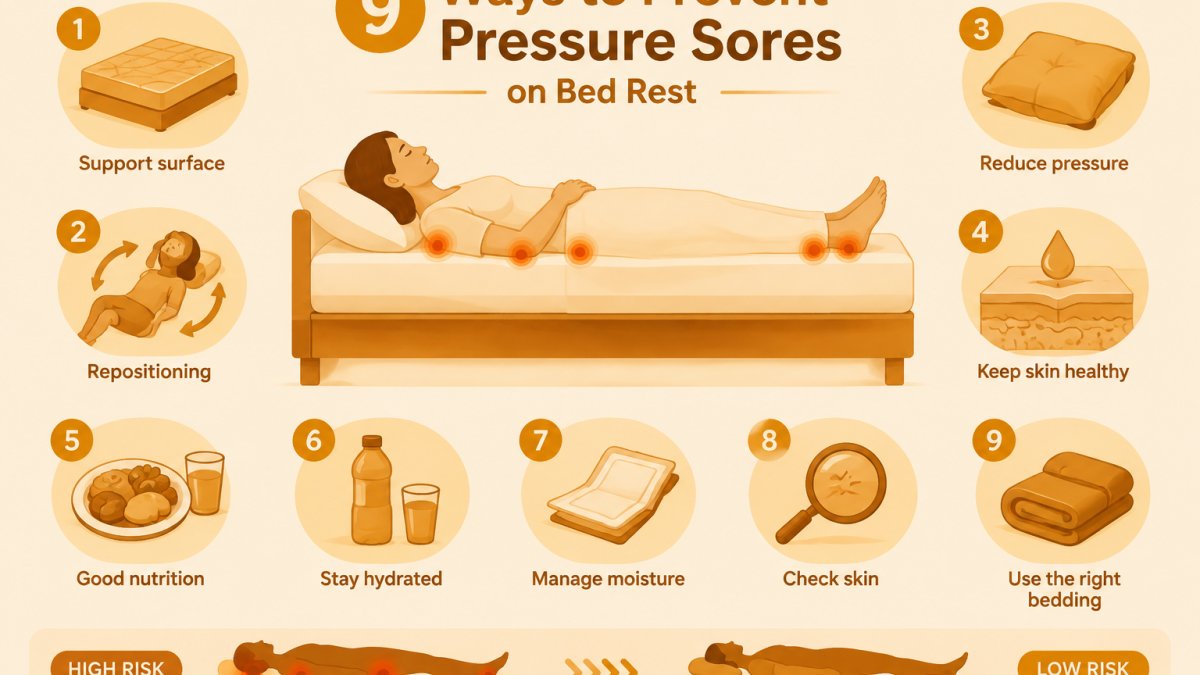
Check skin twice daily, morning and night
Use a mirror or ask a carer to check sitting areas
Feel for warmth, firmness and swelling with the back of your hand
Note any change and photograph it
Report changes to your team, even if nothing hurts
How Pressure Damage Looks on Darker Skin Tones
Pressure damage can be harder to spot on darker skin when you are only looking for redness. Look instead for areas that appear darker, purplish, bluish, ashen or simply different from surrounding skin.
Warmth, firmness, swelling and texture changes often matter more than colour alone. If you are unsure, say so to your team and ask them to assess the area.
When to Contact Your Wound Care Team
Some changes need prompt assessment. Others need urgent action. A few are emergencies.
Situation | What to do |
New redness, warmth or firmness that does not settle | Contact your wound care team promptly |
Blister, broken skin or a wound that is getting bigger | Arrange assessment soon |
Spreading redness, swelling, heat or pus | Seek urgent medical advice the same day |
Fever, confusion, feeling very unwell | Treat as an emergency, call 999 |
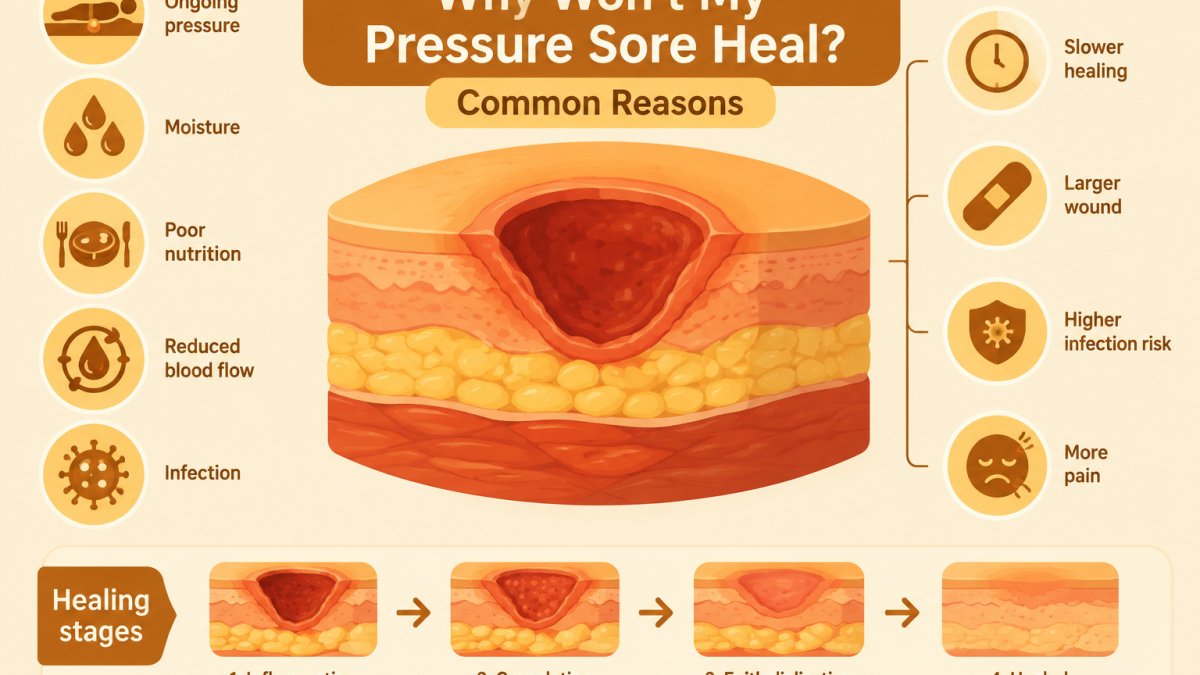
Wound that stalls or worsens despite care | Ask for reassessment |
If you are worried that a wound is not progressing, read Signs Your Wound Is Not Healing: Pressure Sore Guide. Suspected infection, spreading cellulitis or possible bone involvement always needs professional assessment, never self-treatment. Not every infection leads to osteomyelitis, but deeper or more severe wounds can raise the risk, which is another reason to report changes early.
If you have healed a sore and want to protect that skin, How to Prevent Pressure Sore Recurrence covers the routines that helped me most.
For the full practical picture across 24 chapters, including pressure relief, nutrition, infection and surgery, you can BUY THE PDF - £9.99.
What I Would Do Differently
Early signs can be cumulative. One warm patch might mean nothing, whereas a warm patch plus firmness plus a colour change is a pattern worth reporting.
Write things down, including dates, photos and locations, and bring them to appointments. This can help turn a general concern into a clear account of what has changed and when.
Carer Boundaries
If you are a carer, your role is to observe, record and report, not to diagnose or treat. Check skin as part of personal care, note changes factually, and pass concerns to the district nurse or wound care team. Do not apply creams or dressings unless a professional has trained you to do so.
Frequently Asked Questions
What are the early signs of skin breakdown?
The early signs include persistent redness or discolouration that does not fade, changes in skin temperature (warmer or cooler than surrounding skin), swelling or firmness, pain or unusual sensations, blisters or superficial damage, changes in skin texture, and new moisture damage or irritation. These signs have different causes and do not all indicate a pressure injury. Some, like blisters or open skin, may mean damage is already established. Check vulnerable areas daily and report any change to your wound care team.
Can pressure damage develop if I cannot feel pain?
Yes. People with reduced sensation, including many with spinal cord injury, may not feel the warning signs of pressure and shear skin damage. This is why regular visual and tactile skin checks are essential, especially over bony areas like the sacrum, heels, hips and elbows. Use a mirror or ask a carer to check areas you cannot see. Report any redness, temperature change or swelling to your wound care team promptly, even if it does not hurt.
Do blisters mean a pressure injury is already established?
Blisters can indicate that skin damage has already occurred, rather than being the earliest warning sign. They may result from friction, moisture or pressure and shear. Do not burst or treat blisters yourself. Contact your wound care team for assessment, as the right approach depends on the cause and depth of damage. Early professional review helps prevent further breakdown and reduces the risk of infection.
When should I contact my wound care team about a skin change?
Contact your wound care team promptly for any new redness that does not fade, swelling, temperature change, blister or skin damage. Seek urgent assessment if the skin breaks open, if there is spreading redness, warmth, swelling or pus, or if you feel unwell with a fever. These can suggest infection and need professional review. Never self-treat a significant skin change or assume it will settle on its own.
Knowing the early signs is only half the job. The other half is acting on them and asking your team the right questions. At Pressure Sore Recovery, we built a patient-led resource around exactly that: a 24-chapter guide covering pressure and shear, skin inspection, infection, nutrition, surgery and preventing recurrence. Get started with Pressure Sore Recovery and take a more active role in protecting your skin. BUY THE PDF - £9.99.
Comments